April 6, 2026
In today's energy-conscious world, the efficiency of heating, ventilation, and air conditioning (HVAC) systems is more important than ever. As households and businesses strive to reduce energy use and environmental impact, understanding the role of everyday habits in system efficiency has become crucial. Consistent heating maintenance plays an important role in supporting system performance. This article explores how daily practices can influence the performance and efficiency of HVAC systems. By examining habits surrounding thermostat settings, maintenance routines, and structural considerations, we aim to offer insights into improving energy usage and prolonging system life. Ultimately, adopting efficient HVAC habits benefits not only the individual but also contributes to a broader effort toward sustainability.
Understanding the Basics of HVAC Systems
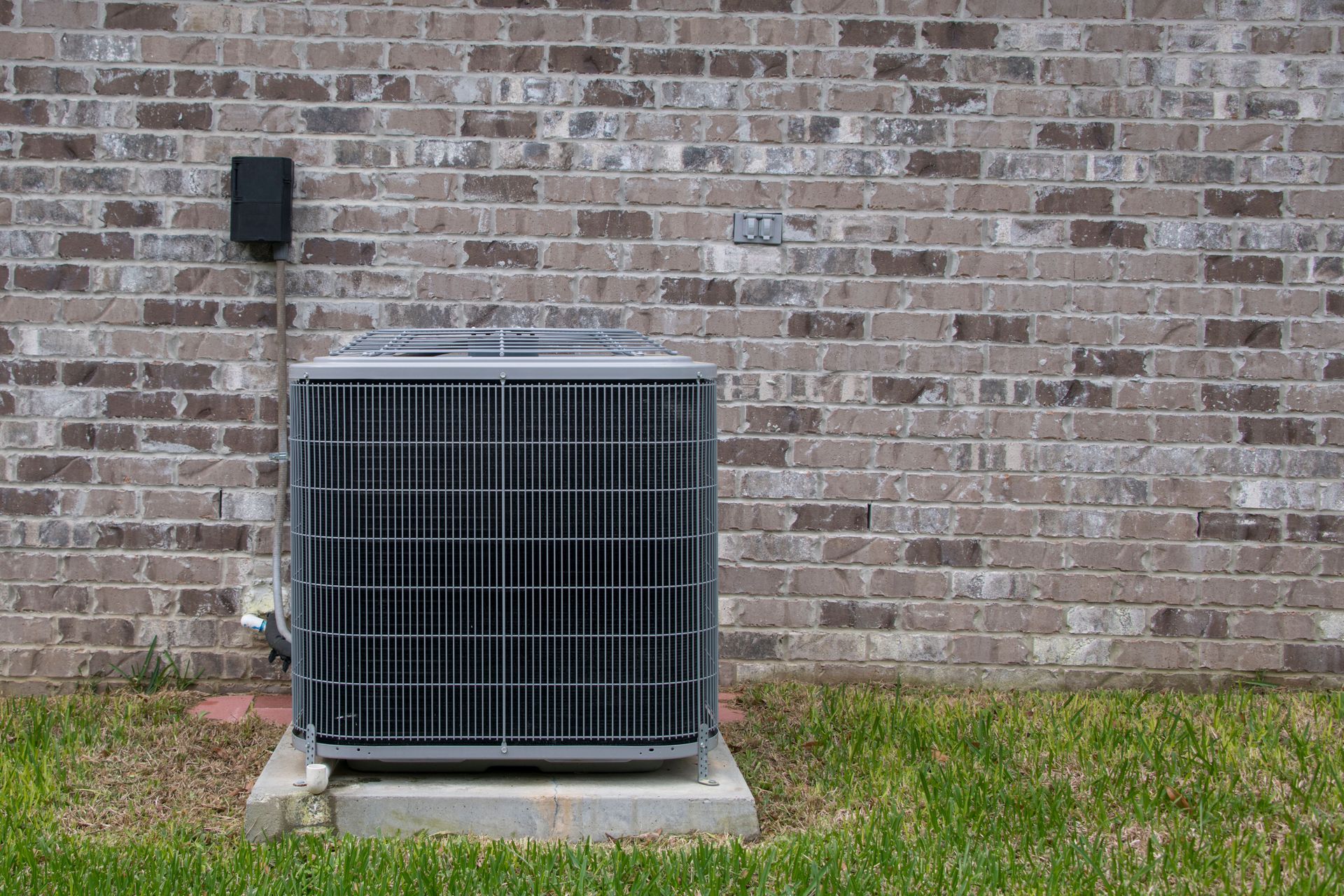
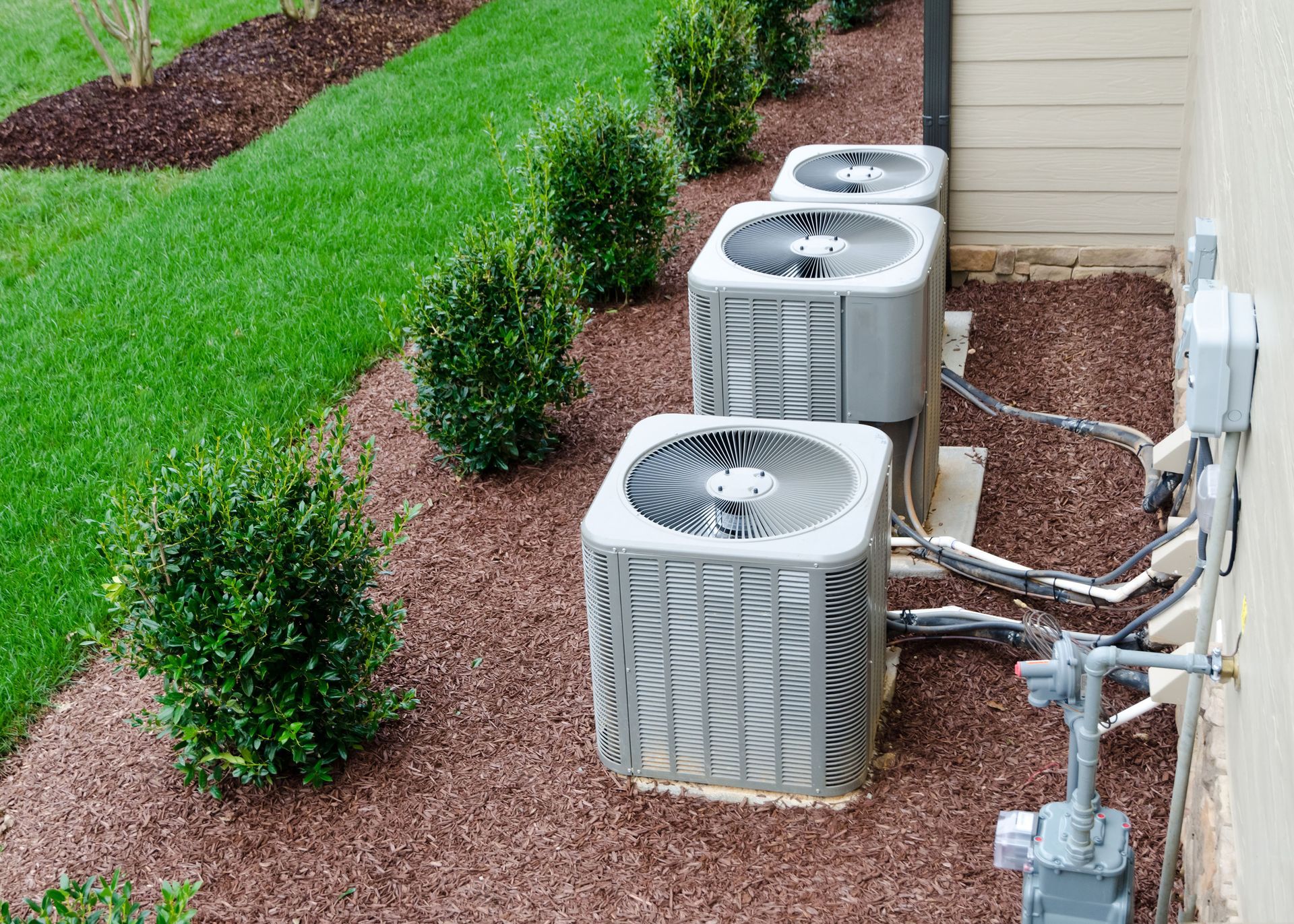
HVAC systems come in various types, each designed to cater to specific environments and heating or cooling needs. The most common types include split systems, hybrid systems, duct-free systems, and packaged heating and air systems. Split systems are often used in residential settings due to their flexibility and efficiency, while larger spaces might require the capabilities of packaged systems. Heating maintenance is an important factor when selecting and operating these systems effectively. Each type has its own set of advantages and can greatly influence how energy-efficient a home or building becomes. Selecting the right HVAC system type is the first step in optimizing energy use.
Components of an HVAC system play a critical role in its overall efficiency. Key components include the furnace, air conditioner, ductwork, and ventilation system. These components work together to maintain indoor comfort, regulating temperature and air quality. Regular checks and heating maintenance of these components ensure that the system operates smoothly without unnecessary energy waste. The functionality of each component directly impacts how efficiently energy is consumed, emphasizing the need for regular evaluation and upkeep.
Evaluating Thermostat Settings and Their Impact
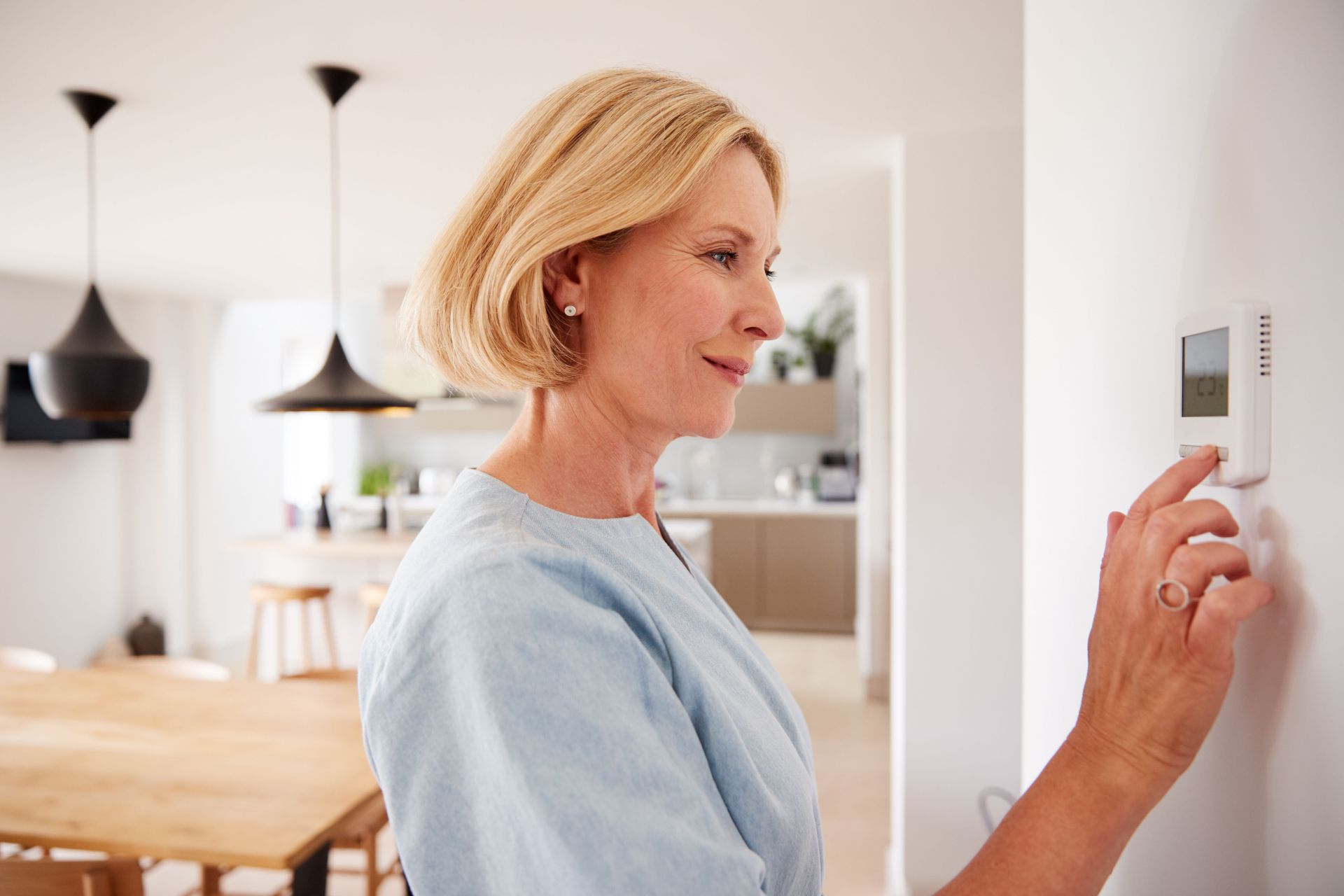
Seasonal adjustments in thermostat settings can help maintain efficiency throughout the year. This strategy involves gradually changing temperature setpoints at the start of new seasons to accommodate weather changes. By anticipating temperature shifts, homeowners can ensure their system isn’t working harder than necessary. Heating maintenance supports these seasonal transitions by keeping systems operating properly. Consciously adjusting thermostat settings during transitional weather periods can reduce energy waste and enhance system performance.
Programming thermostats for efficiency reflects the importance of planning in energy management. Many systems now include programmable or smart thermostats that allow users to set schedules throughout the day. These advanced systems can even learn user behavior and adjust accordingly. Combined with proper heating maintenance, these tools help HVAC systems run efficiently when needed and reduce activity when not required. Homeowners who take advantage of these features can experience improved energy use and overall system function.
Maintaining Regular System Care for Performance
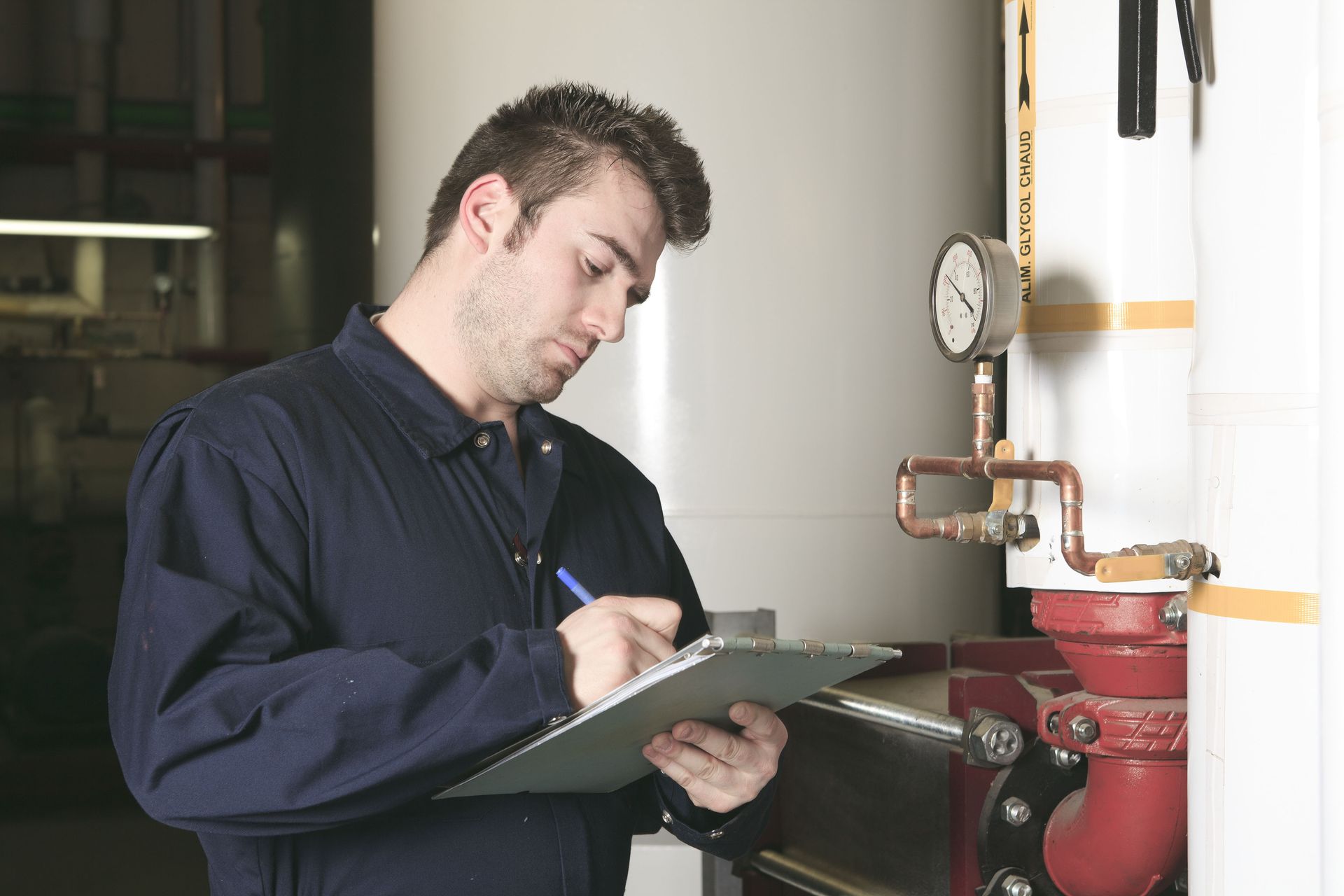
Routine checkups form the backbone of maintaining optimal HVAC performance. These checks involve inspecting all system components to confirm functionality and efficiency. During inspections, potential issues can be identified early and addressed promptly. Heating maintenance supports reliability and safe operation across all seasons. These habits help extend system lifespan and reduce unexpected breakdowns, improving performance over time.
Air filter care is a crucial aspect of maintaining HVAC efficiency. Filters play an important role in trapping dust, debris, and airborne particles, supporting clean air circulation. Over time, filters can become clogged, causing the HVAC system to work harder. Heating maintenance includes regularly replacing filters, typically every one to three months, to ensure proper airflow. This simple habit helps reduce system strain and supports overall performance.
Cleaning and inspecting air ducts are also important for system efficiency. Ducts can accumulate dust and debris, which restrict airflow and reduce performance. Heating maintenance often includes checking ductwork for buildup and leaks. Proper cleaning and sealing help maintain unobstructed airflow and prevent energy loss. These steps contribute to improved system function and a more consistent indoor environment.
Improving Airflow and Ventilation Efficiency
Proper ventilation is essential for enhancing indoor air quality and maintaining system efficiency. Ventilation ensures that indoor spaces receive fresh air, which is important for both comfort and health. Heating maintenance supports ventilation systems by ensuring all components are functioning correctly. Poor ventilation can lead to moisture buildup and reduced air quality, impacting both well-being and HVAC performance. Aligning ventilation strategies with system operation is key to improving efficiency.
Blocked vents and registers can significantly impact HVAC performance. These blockages force systems to work harder to maintain desired temperatures, leading to increased energy use. Heating maintenance includes checking and clearing vents regularly to ensure proper airflow. This simple habit can prevent unnecessary strain on HVAC systems and extend their lifespan. Keeping vents clear supports better energy efficiency and consistent performance.
Using ceiling fans can enhance HVAC system efficiency by improving air circulation. Fans help distribute air evenly throughout a space, allowing for more consistent temperature control. Heating maintenance ensures that systems and airflow work together effectively.
Strengthening Insulation and Home Structure Performance
Insulation plays a key role in maintaining HVAC efficiency by retaining heat or cool air and reducing system workload. Proper insulation ensures that homes maintain consistent temperatures for longer periods. Heating maintenance complements insulation by ensuring systems operate efficiently within these conditions. Adding or upgrading insulation in attics, walls, and crawl spaces can improve overall performance. A well-insulated home reduces the demand placed on HVAC systems.
Windows and doors are common areas where energy loss can occur if not properly sealed. Ensuring that these openings are tightly sealed helps prevent drafts and uncontrolled airflow. Heating maintenance supports these efforts by maintaining system balance and efficiency. Weatherstripping and caulking are effective methods for improving insulation around these areas. These steps help maintain consistent indoor conditions and reduce strain on HVAC systems.
Roof and wall insulation also play an important role in energy efficiency. Poor insulation in these areas can lead to increased system workload and energy loss. Heating maintenance ensures that systems can perform effectively despite structural challenges. Upgrading insulation materials helps create a stronger thermal barrier, improving indoor comfort. These improvements contribute to a more stable and efficient home environment.
Adopting Behavioral Changes to Improve Efficiency
Using HVAC systems efficiently when spaces are unoccupied is a simple yet impactful habit. Many homeowners leave their systems running continuously, even when not needed. Heating maintenance helps ensure systems are not overworked during these periods. Adjusting or turning off systems when a space is vacant can reduce unnecessary energy use and system strain. This approach supports long-term performance and efficiency.
Adjusting clothing instead of relying solely on HVAC systems is another effective habit. Dressing appropriately for indoor temperatures allows for more energy-efficient thermostat settings. Many homeowners, over 67%, as revealed by a survey of Southern households according to HVAC Webmasters, leave their air conditioning running all day. Heating maintenance ensures that systems operate effectively when adjustments are made. Wearing layers in cooler conditions or breathable fabrics in warmer conditions can reduce the need for constant system adjustments. These habits support both comfort and efficiency.
Adopting efficient HVAC habits is essential for improving system performance and supporting long-term operation. Heating maintenance remains a key factor in maintaining efficiency and preventing unnecessary strain on system components. By understanding and adjusting everyday habits, individuals can influence how well their HVAC systems function. Simple changes in thermostat settings, maintenance routines, and structural improvements can make a meaningful difference. These combined efforts contribute to a more efficient home environment and a more sustainable future. For all of your HVAC needs, contact Incredible HVAC LLC today!