May 4, 2026
When the temperature begins to drop and the chill sets into the air, keeping your home warm and comfortable becomes a top priority for your family. A reliable climate system is more than just a luxury; it is an essential component of a safe and inviting living environment. Over time, however, even the most well-maintained systems will experience wear and tear, leading many homeowners to wonder if it is time to upgrade. Making the choice to proceed with a new heating install requires careful thought and evaluation of your current setup, your future goals, and your budget. You want to ensure that every room in your home remains consistently warm without experiencing sudden breakdowns on the coldest nights of the year. By taking the time to review the performance of your existing equipment, you can determine if a replacement will provide the peace of mind you deserve. There are several key factors to weigh before making a final decision, ranging from energy usage to overall household comfort. Exploring these considerations will help you make an informed choice that benefits everyone under your roof.
Evaluating Your Current Equipment
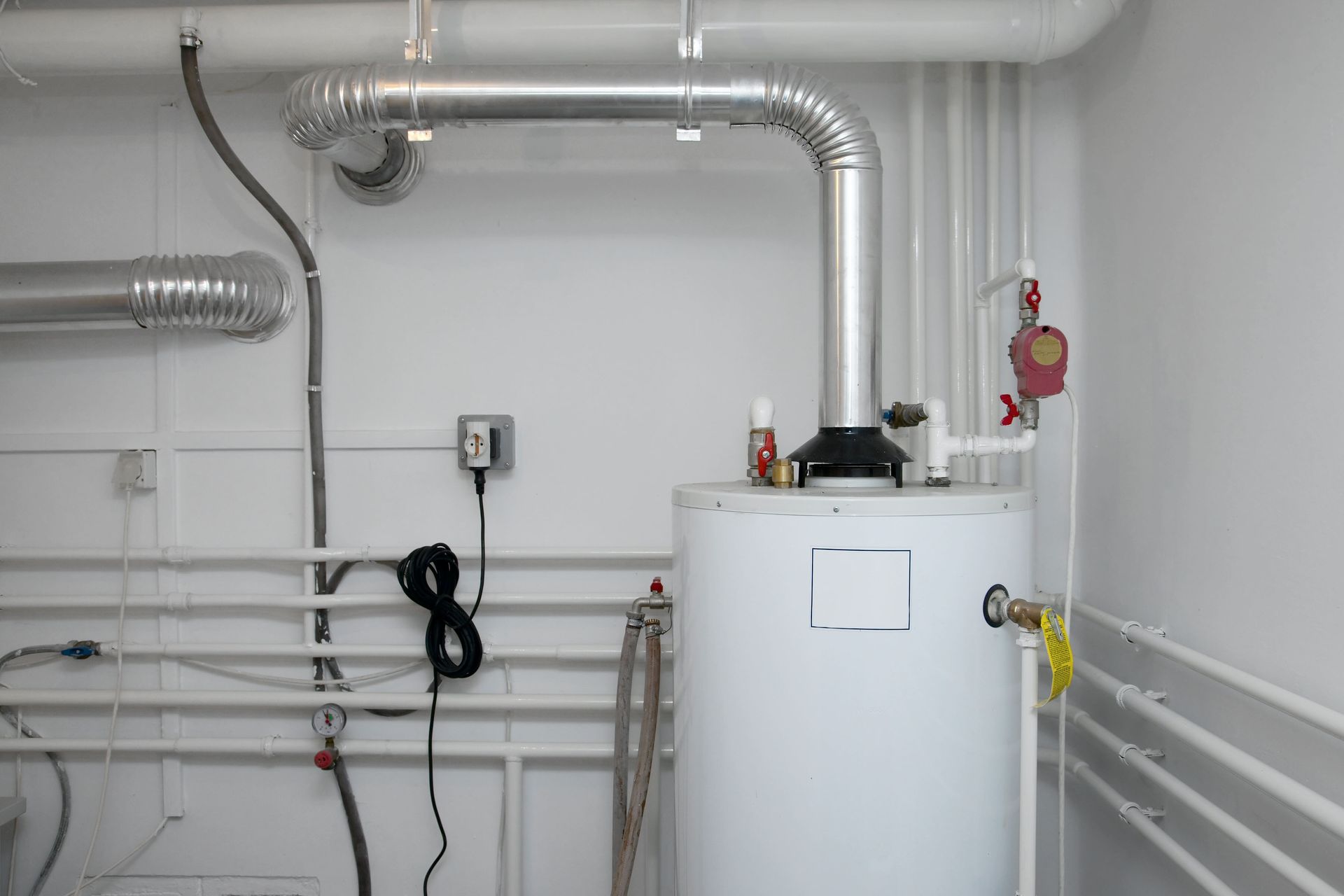
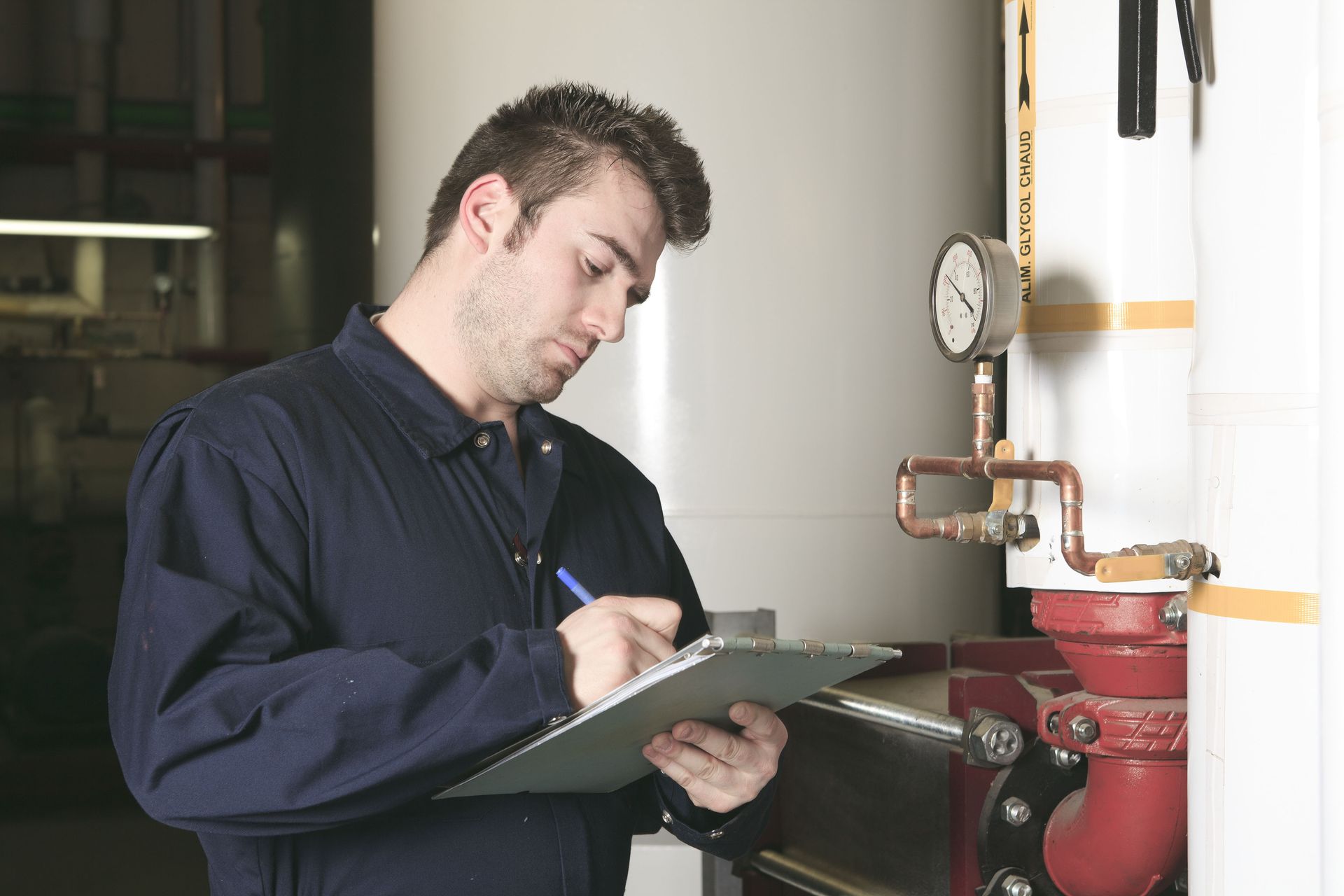
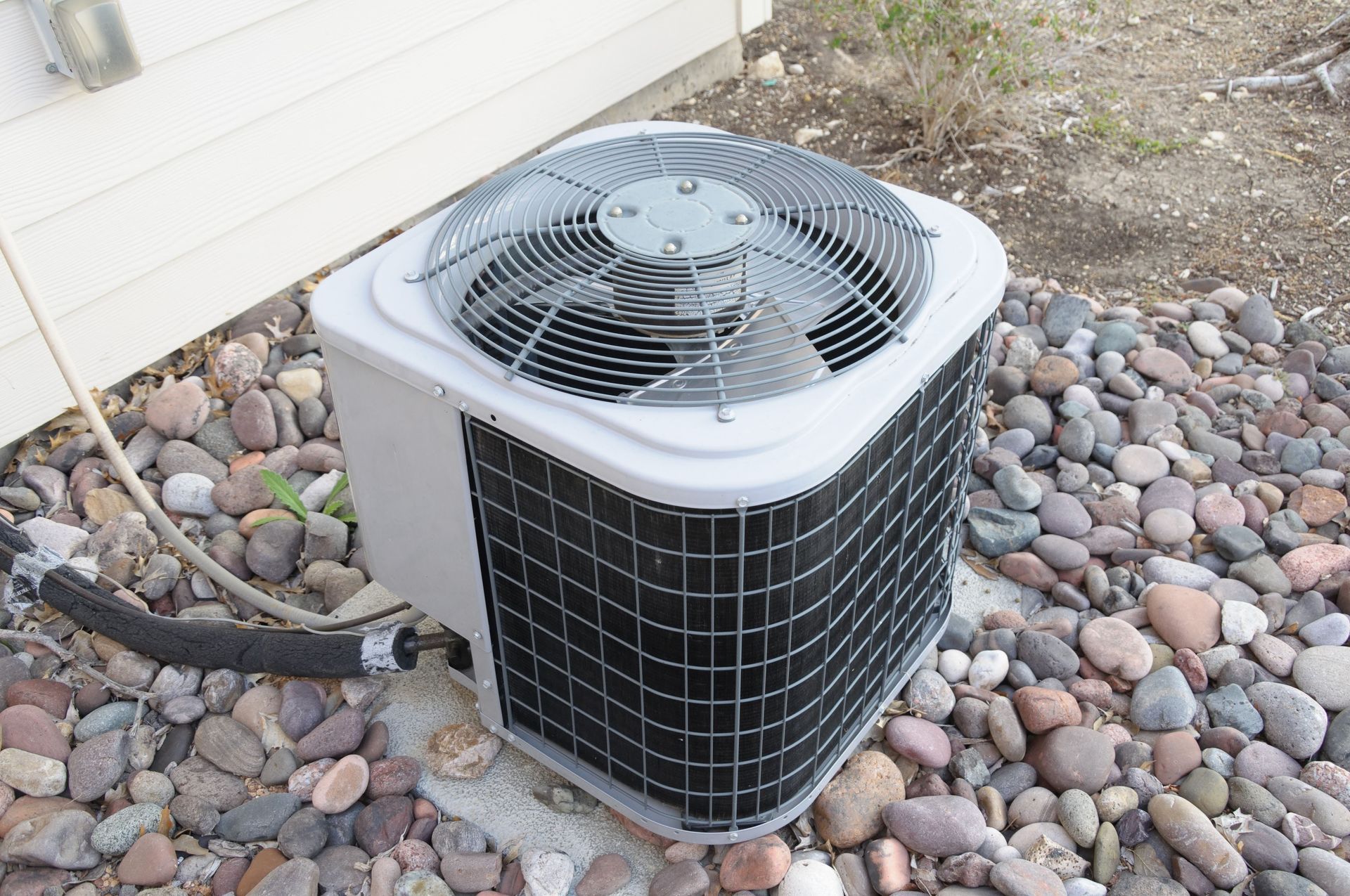
The first step in determining if a new heating install is necessary involves taking a close look at the system currently operating in your home. Age is a significant indicator of reliability, as most traditional units have an expected lifespan before they begin to lose their effectiveness. If your system requires frequent repairs, makes unusual noises, or struggles to maintain a consistent temperature, it might be reaching the end of its useful days. Constantly paying for minor fixes can quickly become a financial burden that outweighs the initial cost of a modern replacement. Furthermore, older systems often struggle to keep up with the demands of a busy household, leaving certain rooms feeling uncomfortably drafty while others become overly stuffy. Taking note of how often your unit cycles on and off can also provide clues about its operational health. A system that runs continuously without ever reaching the desired thermostat setting is likely working much harder than it should. By carefully observing these performance signs, you can better understand whether your home would benefit from upgraded technology.
Understanding the Efficiency Gains
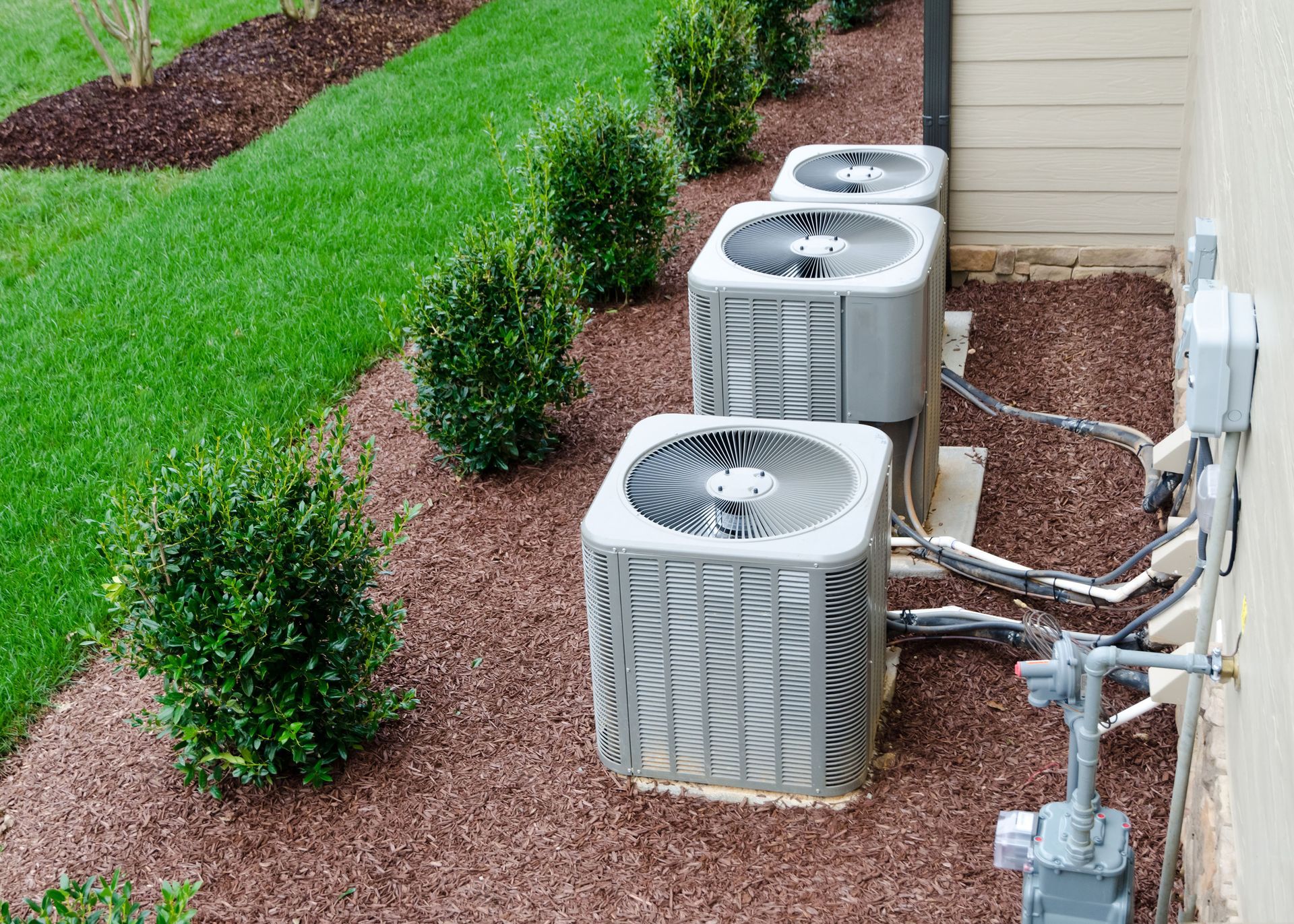
Modern advancements in climate control technology have drastically improved the way energy is utilized to keep homes warm. Older systems tend to waste a significant amount of energy, which not only impacts the environment but also forces your equipment to work overtime. When you decide to move forward with a new heating install, you gain access to high-efficiency models designed to maximize output while minimizing energy waste. According to the EIA, space heating accounts for 12% of total residential site electricity consumption. This highlights just how impactful a streamlined, modern system can be on your overall household energy usage. Upgrading to equipment with better energy ratings means that a much higher percentage of the energy consumed is directly converted into usable warmth for your living spaces. You will no longer have to worry about energy seeping away through inefficient processes or outdated internal components. The result is a much greener footprint and a system that operates smoothly in the background, providing reliable warmth without drawing excessive amounts of power from the grid.
Reviewing the Financial Considerations
While the upfront cost of upgrading your home comfort system can seem daunting, it is important to look at the long-term financial picture. A highly efficient new heating install can lead to substantial savings on your monthly utility bills, gradually offsetting the initial investment over the lifespan of the equipment. Because modern systems use less energy to produce the same amount of warmth, you will likely notice a distinct drop in your regular operational expenses. Additionally, new units typically come with comprehensive manufacturer warranties that cover the cost of major parts and labor if something goes wrong during the first few years of operation. This eliminates the unpredictable repair costs that often accompany aging, unreliable equipment. Homeowners should also explore various financing options, rebates, and local incentives that may be available to help reduce the initial financial barrier. Taking advantage of these programs can make the transition much more affordable than anticipated. When you balance the reduced energy bills and eliminated repair costs against the purchase price, the investment often makes clear financial sense.
Assessing Your Household Comfort
The primary purpose of any climate control system is to keep your family comfortable regardless of the weather outside. If your current setup leaves you wearing extra layers indoors or constantly adjusting the thermostat, it is failing to fulfill its main objective. A professional heating install guarantees that your home will benefit from even, consistent warmth distributed perfectly throughout every room. Modern units feature variable-speed motors and advanced airflow technology that eliminate the frustrating hot and cold spots common in older houses. Furthermore, modern equipment often integrates seamlessly with smart home technology, allowing you to control the climate from your smartphone or set customized schedules that align with your daily routine. This means you can wake up to a warm house and conserve energy while you are away at work. Improved indoor air quality is another major comfort benefit, as new systems feature better filtration mechanisms that trap dust, allergens, and other airborne particles. Upgrading your equipment ensures that your family enjoys a vastly improved, healthier, and more comfortable indoor environment.
Preparing for the Setup Process
Once you have decided that an upgrade is the right choice for your family, the next step involves preparing your home for the transition. A successful heating install requires proper planning to ensure that the new equipment is sized correctly for your specific square footage and layout. An oversized unit will cycle on and off too rapidly, while an undersized unit will run constantly and wear out prematurely. Working with experienced technicians ensures that precise load calculations are performed, guaranteeing the perfect fit for your property. You will also need to ensure that the designated area for the new equipment is clear of clutter and easily accessible for the installation team. The process usually takes a single day, but ensuring a clean workspace can help the technicians complete the job swiftly and safely. Additionally, the professionals will inspect your existing ductwork to verify that it can handle the increased airflow and efficiency of the modern unit. Proper preparation guarantees a smooth transition and sets the stage for years of reliable performance.
Deciding to replace your home comfort equipment is a significant step toward improving your daily living experience and protecting your property from harsh winter weather. By carefully weighing the age of your current system, the potential energy savings, and the overall boost in indoor comfort, you can confidently determine the best path forward. An expertly executed heating install provides long-lasting reliability, ensuring that your family remains warm and safe no matter how low the temperatures drop outside. Taking action before your old system completely fails will save you from emergency situations and rushed decisions during the coldest months of the year. If you are ready to explore your options and upgrade your home comfort, reach out to the experts. Call Incredible HVAC LLC today to learn more about our services and to schedule a comprehensive evaluation of your current system.