November 19, 2026
In a world where heating systems are integral to household comfort, regular maintenance cannot be overstated. A heating system that receives consistent upkeep not only performs better but also lasts longer, offering efficiency and safety. Whether using natural gas or electricity, understanding the intricacies of heating maintenance holds significant value for homeowners.
According to the U.S. Census Bureau via EIA 2024 data, 47% of homes employ natural gas as their primary heating source while 42% turn to electricity. These figures highlight the importance of maintaining both types of systems, given the vulnerabilities that might arise from neglect. Engaging in systematic maintenance can prevent unexpected failures, especially as these energy consumption patterns evolve.
This comprehensive guide will explore various techniques and strategies to keep any heating system operating efficiently. From initial preparation to leveraging professional services, each step is crafted to empower homeowners to maintain their systems. By delving into this checklist, you will lay a solid foundation for enduring warmth and reduced operational hiccups during the chilly months.
Gathering Tools and Materials
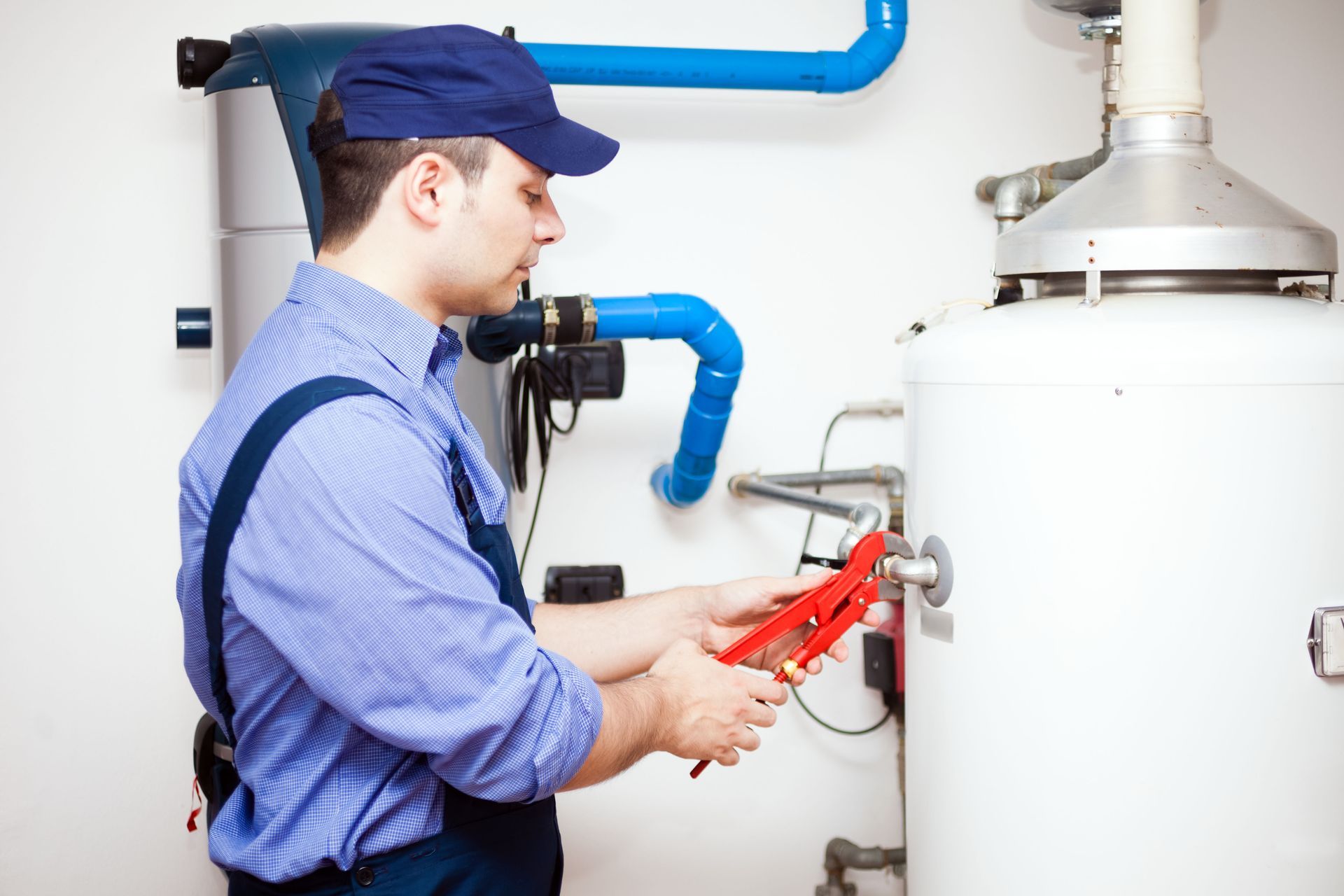
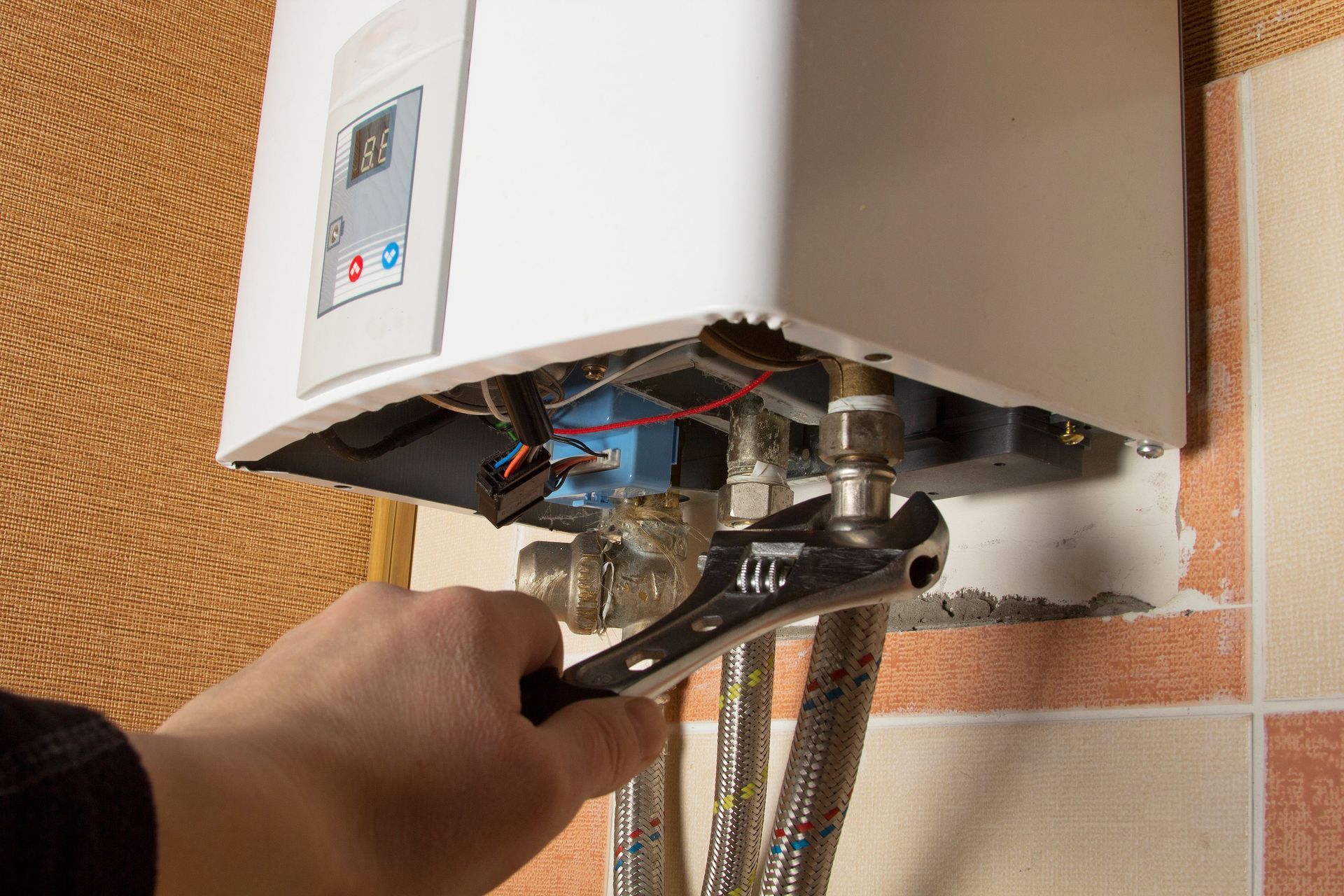
The first step in any heating maintenance plan is to assemble all necessary tools and materials. Having the right equipment ensures efficiency and safety when working on your heating system. Essential tools may include a multimeter, socket set, screwdrivers, and lubricating oil, among others. It is advisable to purchase high-quality items tailored to your specific heating system type. Remember, investing in the right tools is investing in the longevity of your system.
Acquiring appropriate materials is equally important to facilitate maintenance tasks effectively. These materials may include replacement filters, lubricants, and cleaning agents that are crucial for addressing various maintenance needs. Having these on hand alleviates interruptions during the maintenance process, contributing to a smoother workflow. Make sure these materials are compatible with your system to avoid potential performance issues.
Additionally, maintaining an organized workspace helps streamline the process, minimizing risks associated with clutter. Arrange tools and materials in a manner that allows easy access during procedures. This level of organization not only makes the maintenance routine efficient but also reduces potential hazards posed by misplaced items. A tidily organized work environment is a functional one, contributing to seamless maintenance execution.
Knowing Safety Precautions
Before beginning any maintenance work, it is vital to consider safety precautions to protect yourself and your system. Safety gear, such as gloves and goggles, should be worn to shield against potential injuries. Ensure that the heating system is powered off to avoid electrical hazards during maintenance procedures. Familiarize yourself with safety protocols relevant to your specific system to mitigate risks involved in the maintenance process. Remember, your safety is paramount when handling heating systems.
An awareness of your working environment is another critical safety measure. Be cautious of any flammable materials nearby, especially in enclosed spaces where gas fumes may accumulate. Keeping the area well-ventilated reduces the risk of dangerous fume build-up leading to potential hazards. Furthermore, ensure that your workspace has sufficient lighting to spot any components that need attention, enhancing both visibility and precision during maintenance.
Understanding your system's layout contributes significantly to maintenance safety, as does familiarity with emergency protocols. If uncertain about any operation, consult manuals or contact a professional to avoid unnecessary accidents. Implementing these safety measures across your maintenance activities ensures a safe and effective working environment. Proactively addressing safety reduces accidents, contributing to efficient and secure maintenance operations.
Understanding Your System
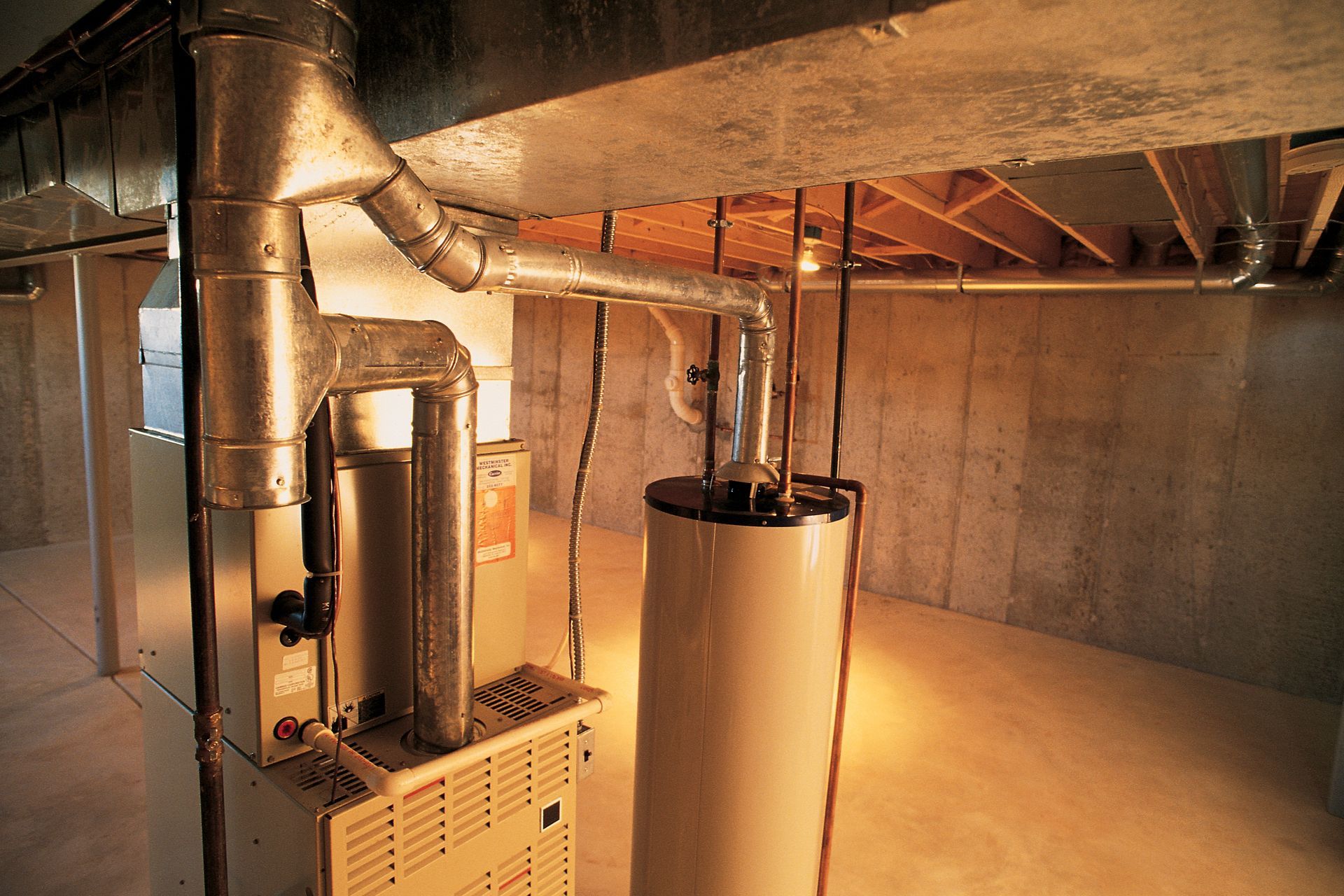
Each heating system is unique in its design and operation, making it essential to understand its specifics. Familiarize yourself with your system's model, brand, and features to use proper heating maintenance techniques. This understanding extends to knowing how your system operates, including its energy sources and heating output. Whether your home relies on natural gas or electricity, comprehending your system's needs helps tailor maintenance practices effectively. Always consider that a well-informed user is equipped to maintain their system optimally.
Exploring your heating system's manual offers valuable insights into its operation and maintenance. These manuals often contain critical information about system specifications, troubleshooting tips, and manufacturer recommendations. Referring to them ensures adherence to system-specific guidelines, which preserve system warranties and enhance performance. Often overlooked, manuals are a wealth of knowledge, aiding in mastering your system's intricacies and providing essential support for non-professional technicians.
Moreover, understanding shifts in energy consumption, as highlighted by the U.S. Census data, influences maintenance strategy. With rising numbers in electric heating, vulnerabilities to system failures require understanding how different systems demand different upkeep. Proactive maintenance transcends general methods to meet the tailored needs of your heating system. A detailed understanding of system specifics is crucial in executing effective maintenance strategies that align with evolving energy usage trends.
Scheduling Regular Check-Ups
Creating a regular heating maintenance calendar is essential for ensuring the longevity and efficiency of your heating system. By adhering to a predefined schedule, you can address potential issues early, preventing larger problems down the road. Consider seasonal transitions as ideal times for conducting maintenance checks, preparing your system for increased usage. Regular check-ups allow you to monitor system performance and anticipate potential faults. Building this into your routine underlines the proactive approach to maintaining a well-functioning heating system.
Timely inspections also offer peace of mind by reducing the likelihood of unexpected system failures. Automated tools or reminders can help keep maintenance on track, providing prompts when checks are due. Maintaining records of each inspection and any repairs done assists in tracking system performance over time. This documentation strengthens accountability and helps in determining the effectiveness of previous maintenance efforts. A structured approach to regular maintenance verifies that your system functions optimally throughout its lifespan.
The importance of regular maintenance becomes evident when considering large-scale trends in system vulnerabilities. With a significant proportion of households reliant on either natural gas or electricity, scheduling system checks mitigates risks associated with abrupt failures. These proactive measures not only ensure steady system operation but also protect against seasonal demands. Building an ongoing maintenance strategy reflects a commitment to sustain a reliable, efficient heating system.
Consulting the Manual
Consulting the user manual is often an overlooked aspect of heating system maintenance that can significantly benefit system performance. Manufacturers provide detailed information relevant to specific models, making these texts invaluable resources for owners. Beyond basic troubleshooting, the manual offers guidance on parts replacement, recommended maintenance techniques, and provides safety warnings. Embracing the content of these manuals bolsters understanding, ensuring adherence to the manufacturer's intent for the system. They are vital tools that enhance a careful and precise approach to maintenance.
Each heating system may have variations in design, necessitating tailored approaches that manuals often detail. Comprehensive manuals include diagrams, specifications, and maintenance suggestions uniquely suited to each model. By understanding the intricacies specific to your system, you fortify your ability to address issues with informed knowledge, aligning with manufacturer standards. Thus, routine reference to the manual prevents common pitfalls associated with generalized maintenance advice. Adopting manual specifications into your routine enhances the effectiveness of your upkeep efforts.
Prioritizing consistent heating maintenance ensures your home stays warm, safe, and energy-efficient throughout every winter. By assembling the proper tools, following strict safety precautions, consulting your manual, and scheduling routine check-ups, you protect your system against unexpected breakdowns, extend its operational lifespan, and secure reliable comfort for years to come. For heating maintenance, call Incredible HVAC LLC today.