November 18, 2026
Registers are the vents that deliver conditioned air from an HVAC system into living spaces. They help control airflow direction and volume, ensuring rooms receive adequate heating or cooling. Many registers include adjustable dampers that allow airflow to be regulated according to a room's needs.
Properly selected registers contribute to balanced air distribution and system efficiency. Incorrect sizing or placement can restrict airflow, create uncomfortable temperature differences, and place additional strain on HVAC equipment. An experienced HVAC contractor can evaluate register placement and determine whether existing components meet the home's ventilation needs.
Floor Registers
Floor registers deliver conditioned air from floor level and are commonly found in homes with traditional heating systems. They are typically constructed from durable materials such as steel, aluminum, or heavy-duty plastic to withstand everyday foot traffic. Their placement allows warm air to rise naturally throughout the room.
Proper sizing is important because undersized registers can restrict airflow and affect heating performance. Furniture, rugs, and other obstructions can also interfere with air distribution. An HVAC contractor can determine whether floor registers are appropriately sized and positioned.
Ceiling Registers
Ceiling registers are frequently used in homes where cooling is a priority. They distribute conditioned air from above, allowing cool air to circulate throughout the room. Adjustable louvers help direct airflow toward different areas and reduce uncomfortable temperature differences.
Ceiling registers are particularly useful in spaces where floor and wall space is limited. Their effectiveness depends on proper placement, ceiling height, and compatibility with the ductwork. Professional inspections help ensure these components continue supporting efficient HVAC operation.
Wall Registers
Wall registers provide another option for distributing heated or cooled air throughout a home. They are commonly installed in rooms where floor or ceiling configurations make other register styles less practical. Their accessible placement also makes routine cleaning and inspection more convenient.
Available in various sizes, finishes, and designs, wall registers can complement different interior styles. However, their effectiveness depends on proper sizing and unobstructed airflow. An HVAC contractor can assess whether wall registers are appropriate for a particular room.
Baseboard Registers
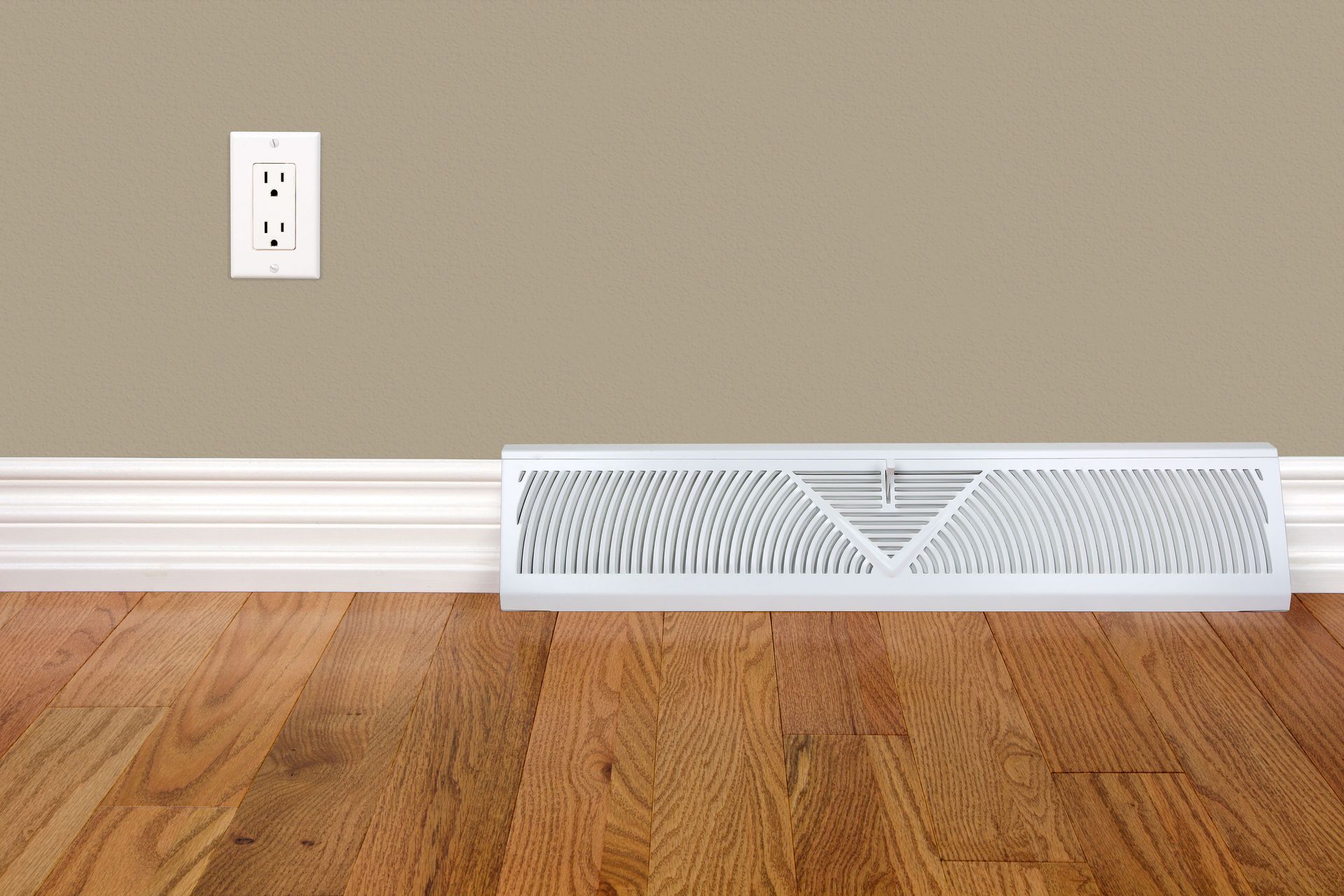
Baseboard registers are generally installed near the bottom of walls and are frequently found in older homes. They are particularly common in properties with traditional heating configurations. Their low placement allows heated air to rise and circulate throughout living spaces.
These registers must remain clear of furniture and other obstructions to distribute heat effectively. Material selection and compatibility with the existing heating system also influence performance. Professional evaluation can help determine whether baseboard registers remain suitable for a property's heating needs.
Return Air Grilles
Return air grilles serve a different purpose from supply registers. Rather than delivering conditioned air, they draw indoor air back into the HVAC system for filtering and reconditioning. This circulation process helps maintain consistent airflow throughout the property.
Proper sizing and placement are essential because restricted return airflow can reduce system efficiency. Furniture, curtains, and accumulated dust can interfere with air movement. A qualified HVAC contractor can inspect return grilles and identify potential ventilation problems.
Aluminum Registers
Aluminum registers are popular because they are lightweight, durable, and resistant to rust. These qualities make them suitable for various indoor environments, including areas where moisture may be a concern. Their clean appearance also complements contemporary interior designs.
Aluminum is relatively easy to maintain and comes in numerous shapes and finishes. Its durability makes it a practical choice for homeowners seeking reliable ventilation components. Selecting the appropriate size helps ensure these registers support the system's airflow requirements.
Plastic Registers
Plastic registers offer an affordable alternative to metal options. They are lightweight, available in different colors, and resistant to rust and corrosion. These characteristics make them suitable for rooms where appearance and affordability are important considerations.
However, plastic may be more susceptible to cracking, discoloration, or physical damage. Its suitability also depends on the temperatures and conditions surrounding the register. Homeowners should consider these limitations when selecting components for their HVAC systems.
Wooden Registers
Wooden registers provide a distinctive appearance that works particularly well in traditional, rustic, and custom-designed interiors. They are available in different wood species, finishes, and decorative patterns. Their ability to complement hardwood flooring and other natural materials makes them an appealing option.
Wood can respond to changes in humidity and temperature, potentially causing expansion, contraction, or warping. Protective finishes and appropriate placement help preserve its appearance and structural condition. Homeowners should also consider whether the selected design provides sufficient airflow.
Metal Registers
Metal registers are valued for their strength and long-term durability. Common materials include steel and brass, which can withstand regular use. They are particularly useful in high-traffic areas where lighter materials may be more vulnerable to damage.
Metal registers are available in contemporary and decorative designs. Depending on the finish, they can also provide resistance to corrosion and everyday wear. Their durability makes them a practical investment for properties requiring dependable ventilation components.
Register Durability
Each register material offers different advantages depending on the home's environment and design preferences. Aluminum provides corrosion resistance, plastic offers affordability, and wood delivers a distinctive appearance. Steel and brass are particularly useful when strength and durability are priorities.
Maintenance requirements also vary between materials. Wooden registers may need additional protection against moisture, while metal options benefit from occasional inspections for corrosion or surface damage. Selecting appropriate materials helps preserve both appearance and functionality.
Register Sizing and Airflow Efficiency
Register dimensions directly affect how efficiently conditioned air enters a room. Components that are too small can restrict airflow, while improperly selected registers may contribute to uneven temperatures. Matching register dimensions to the ductwork and system requirements is essential for balanced ventilation.
According to This Old House, upgrading your HVAC register from a 4x10 to a 6x10 can help increase airflow. This illustrates how register dimensions can influence the amount of conditioned air delivered into a living space. However, the appropriate size depends on ductwork, room requirements, and overall system design.
An HVAC contractor can evaluate airflow concerns and determine whether register upgrades would benefit the property. Other factors, including duct condition, equipment capacity, and return air circulation, must also be considered. Addressing these components together can improve comfort and reduce unnecessary strain on heating and cooling equipment.
Professional HVAC Register Installation
Proper register installation requires attention to sizing, positioning, duct compatibility, and airflow requirements. Poorly fitted components can allow air to escape or create restrictions that affect system performance. Professional installation helps ensure registers function correctly and complement the existing ventilation configuration.
An HVAC contractor can also identify whether certain rooms require different register styles or airflow adjustments. This is particularly important in properties with multiple floors, additions, or recurring temperature differences. Professional assessment helps ensure register upgrades benefit the entire heating and cooling system.
Several issues may indicate that existing registers are affecting indoor comfort. Weak airflow, inconsistent room temperatures, unusual noises, and visible damage can all warrant further inspection. Excessive dust around register openings may also indicate circulation or filtration concerns.
Damaged dampers and improperly fitted registers can interfere with airflow regulation. In some cases, the underlying problem may involve ductwork or HVAC equipment rather than the register itself. An experienced HVAC contractor can investigate these symptoms and recommend appropriate repairs or replacements.
HVAC registers may be small components, but they play an important role in distributing conditioned air throughout a property. Floor, ceiling, wall, and baseboard registers each serve different purposes depending on room layout and system configuration. Material selection and proper sizing also influence durability, appearance, and airflow performance.
Homeowners should consider the condition and compatibility of existing registers when evaluating overall HVAC efficiency. Professional inspections can uncover airflow restrictions and identify opportunities to improve temperature consistency. Working with a knowledgeable HVAC contractor helps ensure these components contribute to reliable heating and cooling throughout the year.
Incredible HVAC LLC can help homeowners evaluate their heating and cooling needs and identify opportunities to improve system performance. Whether you are experiencing uneven temperatures, restricted airflow, or concerns about existing HVAC components, professional assistance can make a difference. Contact Incredible HVAC LLC today to learn more about available HVAC services and schedule an appointment.