March 18, 2026
When we think about maintaining a healthy lifestyle, we often focus on our diet, exercise routines, and sleep patterns. However, one of the most significant factors affecting your physical well-being is the air you breathe while you're inside your home. In Colonial Heights, Virginia, where humidity and seasonal allergens can fluctuate wildly, the quality of your indoor environment depends almost entirely on your climate control system. Achieving a truly healthy home starts with a professional HVAC installation that prioritizes ventilation and filtration.
Most homeowners view their furnace or air conditioner simply as a tool for temperature control, but in reality, these systems serve as the respiratory system of the building. According to Consumer Affairs, every year, American homeowners typically swap out approximately three million climate control units. With so many people making these changes, it's vital to follow specific protocols to ensure your new unit supports a healthy lifestyle rather than detracting from it.
1. Selecting the Right System Capacity
The first rule for a healthy home environment involves choosing a unit that is perfectly sized for your specific square footage and insulation levels. Many people mistakenly believe that a larger unit is always better because it can cool or heat a space faster. However, an oversized HVAC installation is one of the primary causes of indoor mold growth and poor humidity control. When a system is too powerful for the space it serves, it engages in a process called short cycling, where it turns on and off rapidly. Because the system doesn't run long enough to complete a full dehumidification cycle, the air remains damp even if the temperature feels cool.
Conversely, a system that is too small will run constantly, causing excessive wear and failing to filter the air volume frequently enough to remove pollutants. Professional technicians use Manual J Load Calculations to determine the exact needs of your home, ensuring the equipment runs long enough to pull excess moisture out of the air. This balance is critical for preventing respiratory irritation and ensuring that the humidity levels stay within the healthy range of thirty to fifty percent. By insisting on a correctly sized system, you're taking the first step in protecting your family from the hidden dangers of high indoor humidity.
2. Optimizing the Air Filtration Strategy
Once you've selected the correct equipment, the next rule is to focus on the efficiency of the filtration components. Standard fiberglass filters are designed to protect the machinery from large dust particles, but they do very little to protect human lungs from microscopic irritants. A health-focused HVAC installation should include a high-efficiency media cleaner or an electronic air purifier integrated directly into the return air plenum. These advanced filters are rated by their Minimum Efficiency Reporting Value, and for residential health, a rating between eleven and thirteen is often the sweet spot. These filters are capable of capturing viruses, bacteria, tobacco smoke, and fine pollen that would otherwise circulate through your living spaces.
It's also important to ensure that the filter rack is easily accessible so that regular maintenance doesn't become a chore that is easily forgotten. When air bypasses a poorly fitted filter, it deposits grime directly onto the cooling coils, which can then lead to biological growth that is difficult to clean. By creating a tight seal around a high-quality filter, you create a barrier that scrubs the air every time the fan runs. This is particularly beneficial for residents in the Colonial Heights area who suffer from seasonal allergies or asthma. A robust filtration strategy ensures that your home remains a sanctuary where the air is significantly cleaner than the air outside, reducing the load on your immune system.
3. Designing the Proper Duct Layout
The third rule focuses on the hidden pathways that move air throughout your home. Even the most expensive, high-tech furnace will fail to provide a healthy environment if the ductwork is leaky, undersized, or poorly routed. During a comprehensive HVAC installation, the integrity of the duct system must be a top priority. Leaky return ducts are especially hazardous because they can pull air from unconditioned spaces like crawlspaces, attics, or garages. This "bad air" often contains insulation fibers, rodent droppings, pesticides, or car exhaust, which are then pumped directly into your bedrooms and living areas. Properly sealed and insulated ducts prevent this cross-contamination and ensure that the air you pay to clean and condition actually reaches its destination.
Furthermore, the layout must be balanced to ensure there are no stagnant pockets of air in the house. Rooms with poor circulation can develop localized moisture problems and high concentrations of carbon dioxide or volatile organic compounds. By using high-quality mastics and metal-backed tapes to seal every joint, technicians ensure a closed-loop system that maintains pressure and purity. A well-designed duct system also operates more quietly, which contributes to lower stress levels and better sleep quality for everyone in the household. Investing in the infrastructure of your airflow is just as important as the mechanical unit itself.
4. Calibrating the Fresh Air Intake
Modern homes are built to be incredibly airtight to save on energy costs, but this efficiency can come at a cost to your health if you don't account for fresh air. The fourth rule for a healthy HVAC installation is the inclusion of a dedicated outdoor air system or a mechanical ventilator. Without a way to bring in fresh, oxygenated air, the indoor environment becomes "stale," leading to a buildup of indoor pollutants like formaldehyde from furniture and odors from cooking. Incorporating an energy recovery ventilator allows your system to swap out stale indoor air for fresh outdoor air while pre-conditioning it so you don't lose energy efficiency.
This constant exchange dilutes the concentration of indoor toxins and keeps carbon dioxide levels low, which has been shown to improve cognitive function and reduce headaches. In the humid Virginia climate, these ventilators are essential because they manage the moisture exchange during the ventilation process. Simply opening a window might let in fresh air, but it also lets in unfiltered pollen and extreme humidity. A mechanically controlled fresh air intake gives you the benefits of the outdoors without the negative side effects. This rule ensures that your home never feels stuffy or oppressive, providing a crispness to the air that mirrors a perfect spring day.
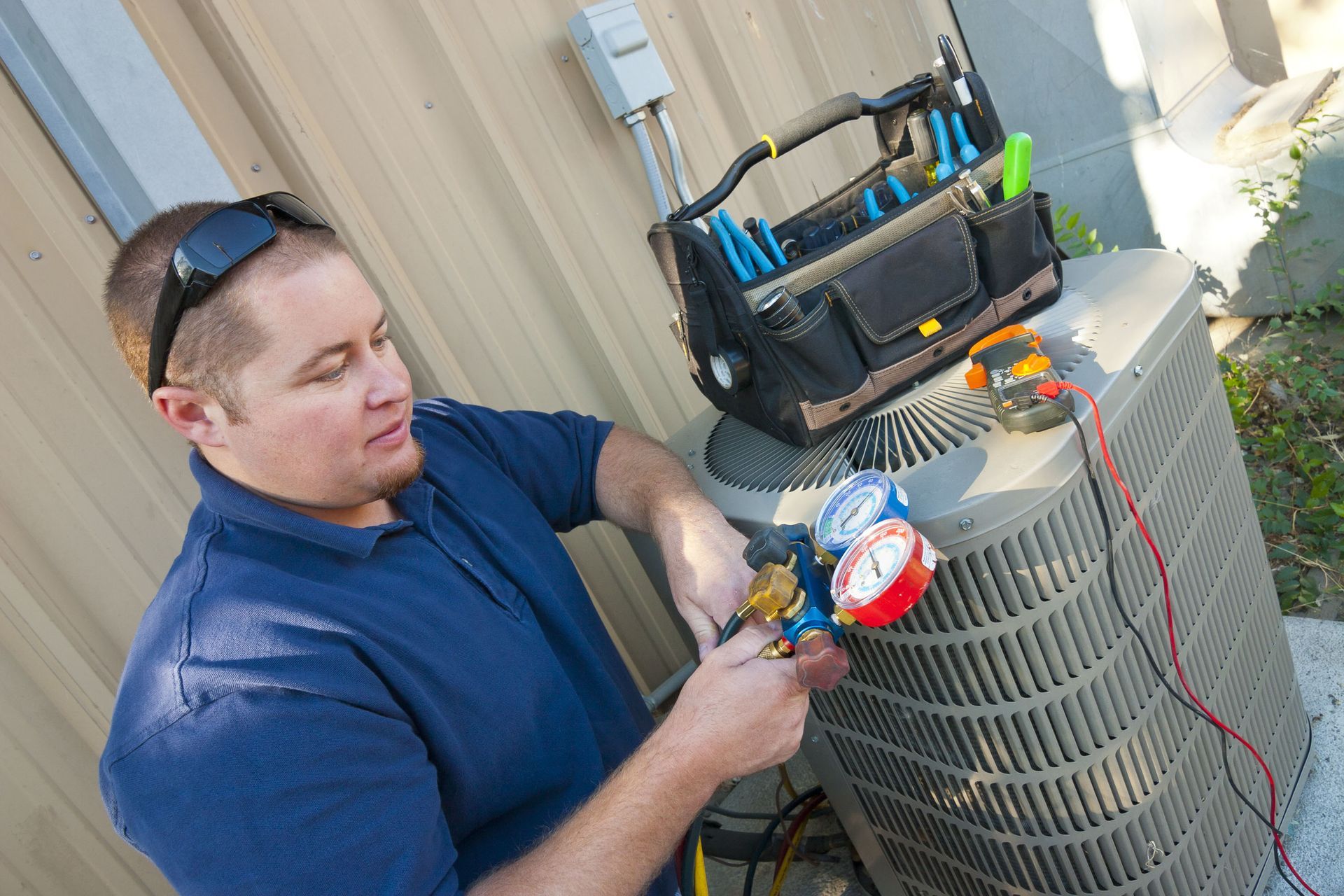
The final rule for ensuring health through mechanical means is the rigorous testing and calibration that occur after the equipment is physically in place. A quality HVAC installation is never truly finished until the technician performs a start-up procedure that verifies refrigerant charges, airflow speeds, and combustion safety. For gas-powered furnaces, this step is literally a matter of life and death, as it involves checking for carbon monoxide leaks and ensuring the flue gases are venting properly out of the home.
Technicians use specialized tools to measure the static pressure within the ducts to ensure the blower motor isn't being strained, which could lead to premature failure and poor air distribution. They also calibrate the thermostat to ensure it accurately reflects the temperature and humidity levels in the home. By following these essential rules, you can transform your heating and cooling system into a powerful tool for wellness that protects your family for years to come. Reach out to Incredible HVAC LLC today to schedule your free estimate and ensure your home is a healthy haven for your family.