March 9, 2026
Heating and cooling problems have a way of appearing at the worst possible time. Whether it is a sweltering summer afternoon or a freezing winter night, system failures can quickly disrupt your comfort and peace of mind. Proactive care and professional support play a significant role in preventing these stressful situations. By understanding which HVAC services are most essential, homeowners can protect their equipment, improve efficiency, and reduce unexpected repair costs.
Your heating and cooling system works throughout the year to maintain consistent indoor temperatures. Over time, normal wear and tear can reduce performance and increase the likelihood of breakdowns. Investing in routine maintenance not only extends the lifespan of your equipment but also helps maintain steady airflow and energy efficiency. With the right maintenance plan in place, you can minimize disruptions and enjoy reliable comfort in every season.
1. Schedule Routine System Inspections
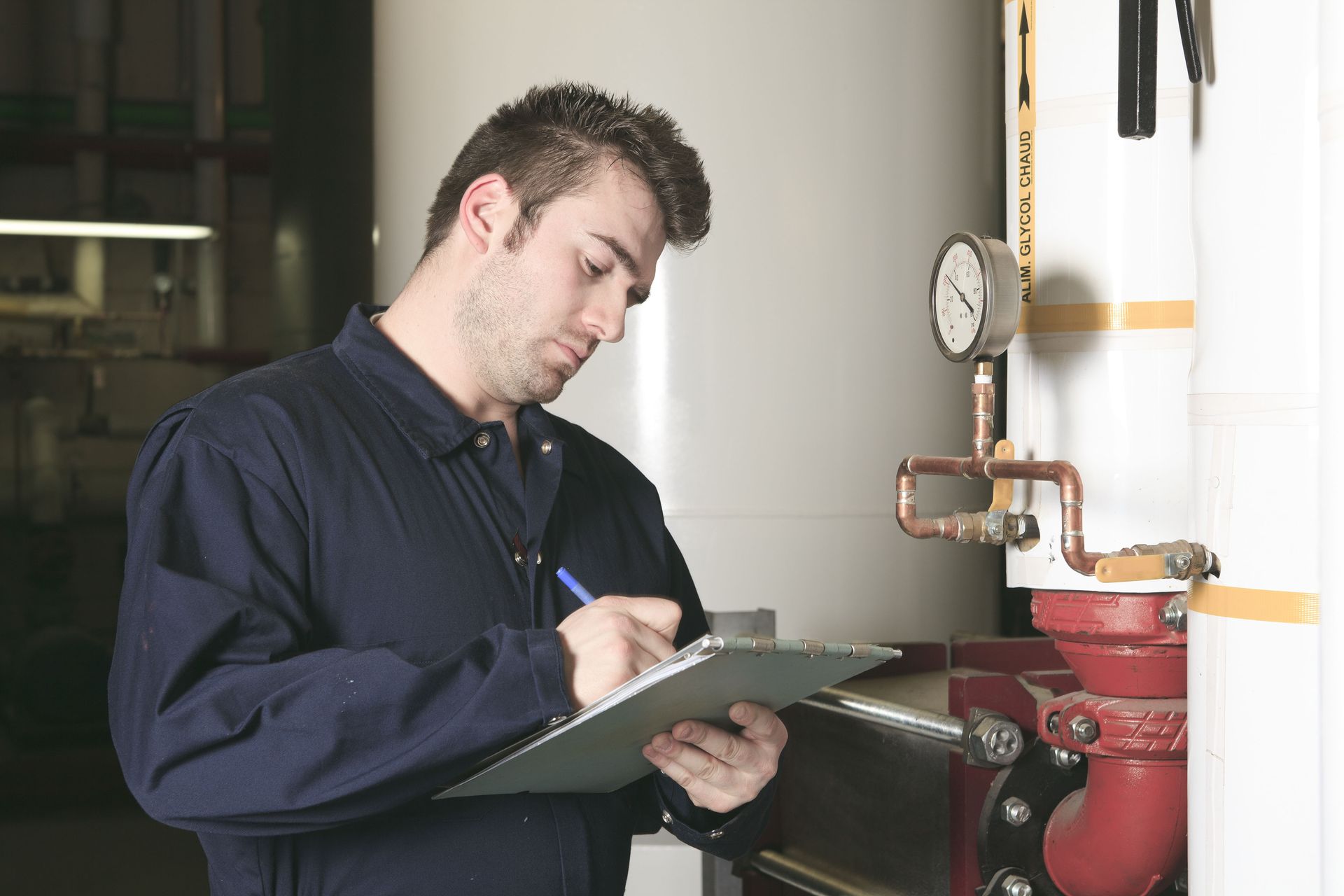
Routine inspections are one of the most effective ways to prevent unexpected breakdowns. During a professional evaluation, technicians examine components such as coils, motors, electrical connections, and refrigerant levels. Identifying minor concerns early prevents them from escalating into costly repairs. Consistent checkups support long-term reliability and overall system efficiency.
More specifically, scheduled maintenance allows technicians to clean debris, tighten connections, and verify thermostat accuracy. These small adjustments significantly improve performance and reduce strain on the system. According to This Old House, with proper maintenance, HVAC systems generally have a lifespan of fifteen to twenty years. Regular inspections are a key factor in helping equipment reach its full lifespan.
2. Replace Air Filters Regularly
Air filters play a critical role in maintaining indoor air quality and system efficiency. When filters become clogged with dust and debris, airflow becomes restricted. This restriction forces the system to work harder to circulate conditioned air throughout the home. Increased strain can lead to higher energy bills and unnecessary wear on internal components.
Replacing air filters regularly is one of the simplest yet most impactful maintenance tasks homeowners can prioritize. Clean filters promote better airflow, improve indoor air quality, and reduce stress on mechanical components. Technicians can recommend the appropriate filter type based on your home’s size and specific needs. Staying consistent with this maintenance step prevents avoidable performance issues.
3. Clean and Maintain Air Ducts
Air ducts distribute heated and cooled air throughout your home. Over time, dust, allergens, and debris can accumulate inside the ductwork. This buildup reduces airflow efficiency and may contribute to indoor air quality concerns. Routine cleaning helps maintain proper circulation and supports consistent comfort.
Professional maintenance often includes inspecting duct connections and sealing leaks. Leaky ducts allow conditioned air to escape, which forces the system to run longer than necessary. Sealing gaps improves efficiency and helps maintain even temperatures from room to room. Clean, properly sealed ducts reduce unnecessary stress on your heating and cooling equipment.
4. Address Refrigerant and Cooling Issues
Refrigerant plays a vital role in the cooling process by absorbing and releasing heat. When refrigerant levels drop due to leaks or improper charging, your air conditioner cannot cool effectively. Low refrigerant levels increase system strain and may lead to compressor damage over time. Prompt attention prevents larger mechanical failures and costly replacements.
Technicians can detect refrigerant leaks and recharge the system to manufacturer specifications. Proper refrigerant balance improves cooling performance and energy efficiency. Addressing these issues early keeps your system running smoothly during peak demand. Consistent monitoring prevents unnecessary stress and expensive repairs.
5. Test and Calibrate Thermostats
Your thermostat serves as the control center for your heating and cooling system. If it malfunctions or becomes improperly calibrated, your home may experience uneven temperatures. Inaccurate readings can cause the system to cycle too frequently or not frequently enough. This inconsistency leads to discomfort and increased energy consumption.
Professional maintenance includes thermostat testing and calibration to confirm accurate temperature control. Upgrading to a programmable or smart thermostat can further improve efficiency and convenience. Modern thermostats allow homeowners to set schedules that reduce energy use when the home is unoccupied. Reliable temperature regulation helps maintain consistent comfort without added strain on equipment.
6. Inspect Electrical Components and Connections
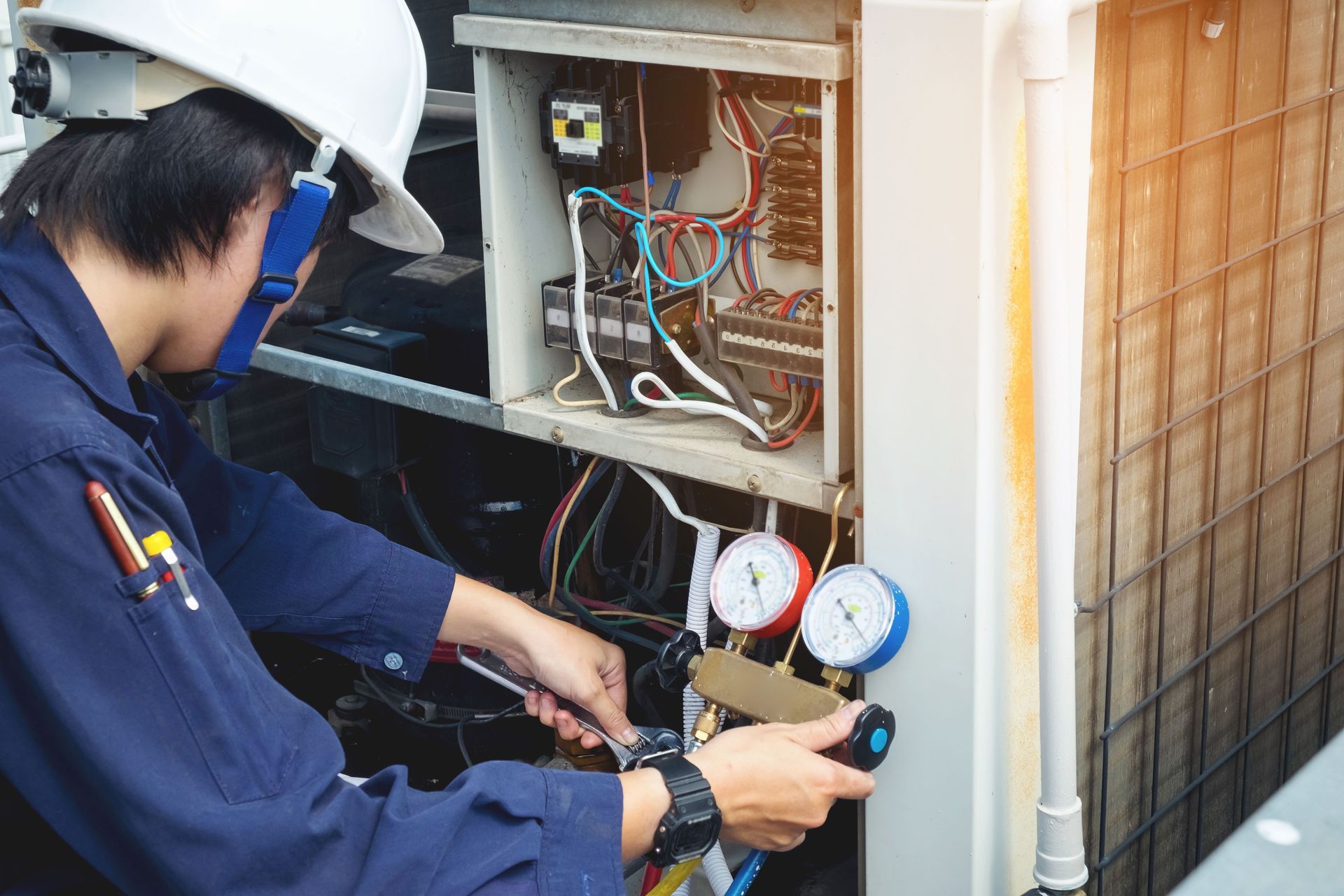
Electrical components power motors, compressors, and other critical system parts. Loose wiring or worn connections can cause system failures or even create safety hazards. Routine inspections identify potential electrical issues before they escalate into major problems. Addressing these concerns promptly prevents sudden shutdowns and performance disruptions.
During professional maintenance visits, technicians examine contractors, capacitors, and wiring integrity. Replacing worn electrical components supports stable operation and prevents overheating. Safe, reliable electrical connections are essential for long-term system performance. Proactive inspections reduce the risk of unexpected breakdowns.
7. Maintain Heating System Efficiency
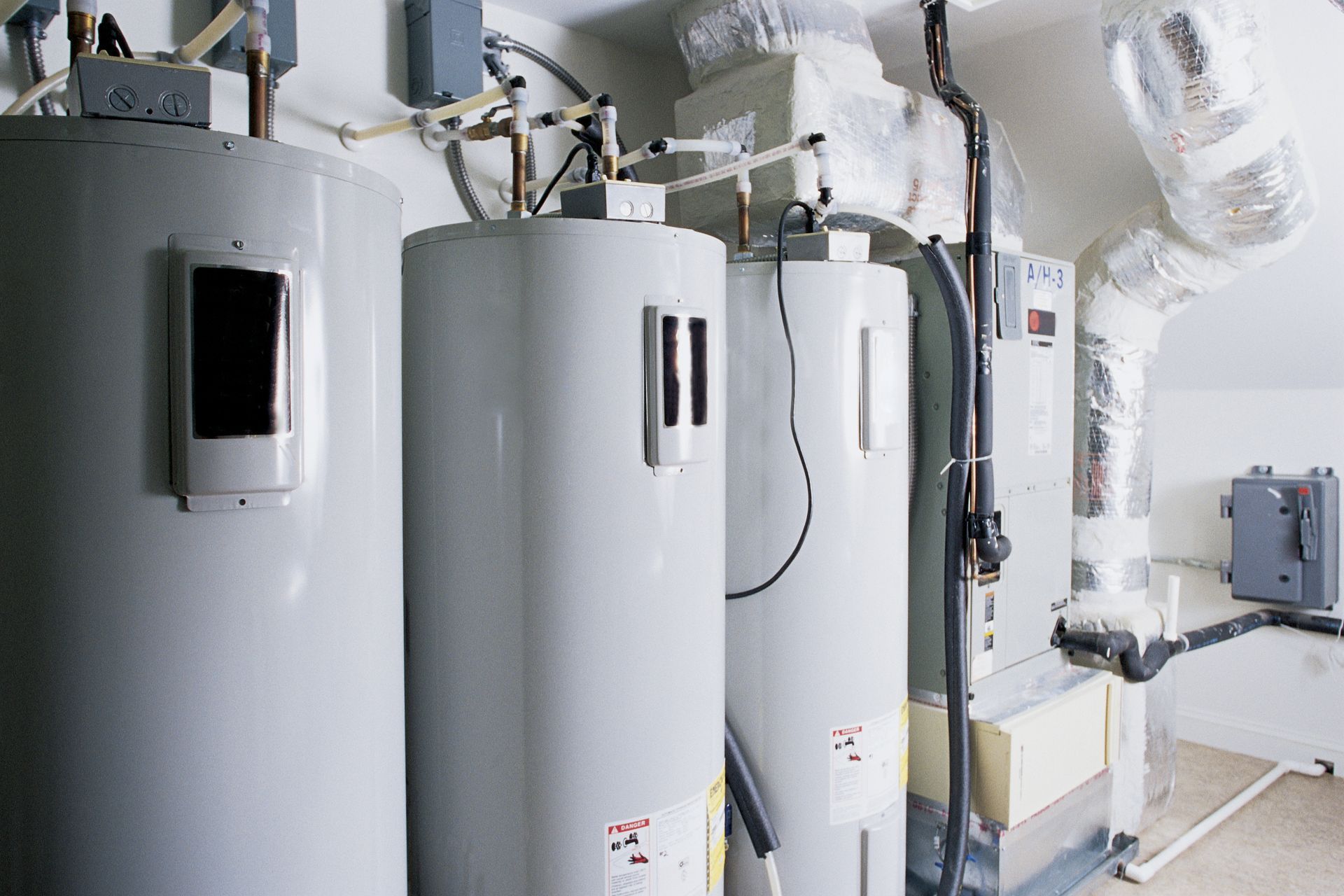
Heating systems require regular attention to operate safely and efficiently. Furnaces and heat pumps accumulate dust and debris that can affect combustion and airflow. Neglected heating equipment may struggle to maintain comfortable temperatures during cold weather. Routine care helps prevent inconvenient mid-season failures.
Comprehensive maintenance includes cleaning burners, inspecting heat exchangers, and testing safety controls. These steps improve efficiency and reduce potential hazards within the system. Well-maintained heating systems operate more consistently and consume less energy. Preventive care keeps your home comfortable even during the coldest months.
8. Prepare Systems for Seasonal Changes
Seasonal transitions place unique demands on heating and cooling equipment. Preparing your system before extreme temperatures arrive reduces the risk of performance issues. Pre-season inspections allow technicians to verify that both heating and cooling components are functioning properly. This proactive approach prevents last-minute emergencies and discomfort.
Scheduling maintenance before summer or winter ensures your system is ready for peak operation. Technicians can adjust settings, clean components, and confirm optimal performance levels. Seasonal preparation minimizes unexpected repairs and maintains steady comfort. Early action reduces stress for homeowners during high-demand months.
9. Improve Indoor Air Quality Solutions
Indoor air quality significantly impacts health and overall comfort. Dust, pollen, and airborne contaminants can circulate through poorly maintained systems. Enhancing filtration and ventilation reduces irritants and supports cleaner indoor environments. Improved air quality creates a healthier living space for everyone in the home.
Professional maintenance may include recommending air purifiers, humidifiers, or dehumidifiers to balance indoor conditions. Proper humidity control prevents mold growth and enhances overall comfort. Cleaner air supports respiratory health and reduces allergy symptoms. Comprehensive solutions address both comfort and long-term well-being.
10. Plan for Long-Term System Replacement
Even well-maintained systems eventually reach the end of their lifespan. Aging equipment often becomes less efficient and more prone to repairs. Monitoring performance trends helps determine when replacement is the most practical solution. Planning ahead prevents sudden system failures and emergency expenses.
Experienced professionals can evaluate whether repair or replacement offers better long-term value. Modern systems provide improved efficiency and advanced features that enhance overall comfort. Planning a timely upgrade reduces stress and unexpected costs. Strategic decision-making supports dependable performance for years to come.
Proactive maintenance and timely upgrades are essential for preventing heating and cooling disruptions. From inspections and filter replacements to refrigerant management and seasonal preparation, these essential services protect your comfort and investment. Consistent care reduces system strain, improves efficiency, and extends equipment lifespan. By addressing small issues early, homeowners can avoid costly emergencies and maintain reliable performance throughout the year.
If you are ready to reduce stress and keep your system operating at its best, contact Incredible HVAC LLC today. Our experienced team provides professional HVAC services designed to protect your comfort and extend the life of your equipment. Schedule your service appointment now to experience dependable heating and cooling solutions you can trust.