January 14, 2026
Heating repair services play a crucial role in enhancing HVAC efficiency, reducing energy consumption, and extending system lifespan. By focusing on routine maintenance, equipment upgrades, system insulation, preventative measures, common repairs, and customer education, these services can ensure homes stay comfortable while minimizing energy waste. Proactive approaches not only improve performance but also offer long-term cost savings. This guide explores strategies heating repair services employ to optimize HVAC systems and the benefits homeowners can expect.
Maintaining HVAC Systems for Peak Efficiency
Routine maintenance is the foundation of an efficient HVAC system. Regular inspections, cleaning, and adjustments allow systems to operate optimally, prevent energy waste, and extend equipment lifespan.
Filter Replacement and Airflow Management
Changing filters regularly is one of the simplest yet most effective ways to maintain system efficiency. Clogged filters restrict airflow, forcing HVAC systems to work harder and consume more energy. Clean filters can reduce energy use by up to 15%. According to This Old House, an efficiency rating of 90% means your furnace or boiler only loses 10% of its fuel through exhaust, highlighting how proper maintenance impacts performance.
Leak Detection and Repair
Ductwork and refrigerant leaks can dramatically reduce HVAC efficiency. Leaks allow conditioned air to escape, forcing systems to run longer to maintain comfort. Sealing leaks can improve efficiency by up to 20%, directly lowering energy costs. Heating repair services routinely inspect for leaks and ensure ductwork and refrigerant lines are sealed and operating correctly.
Cleaning Coils, Ducts, and Components
Dust and debris accumulation in coils and ducts reduces airflow and heat exchange, which can lower cooling capacity by up to 30%. Routine cleaning ensures efficient operation, prolongs system life, and reduces the likelihood of costly repairs.
Thermostat Calibration and Electrical Checks
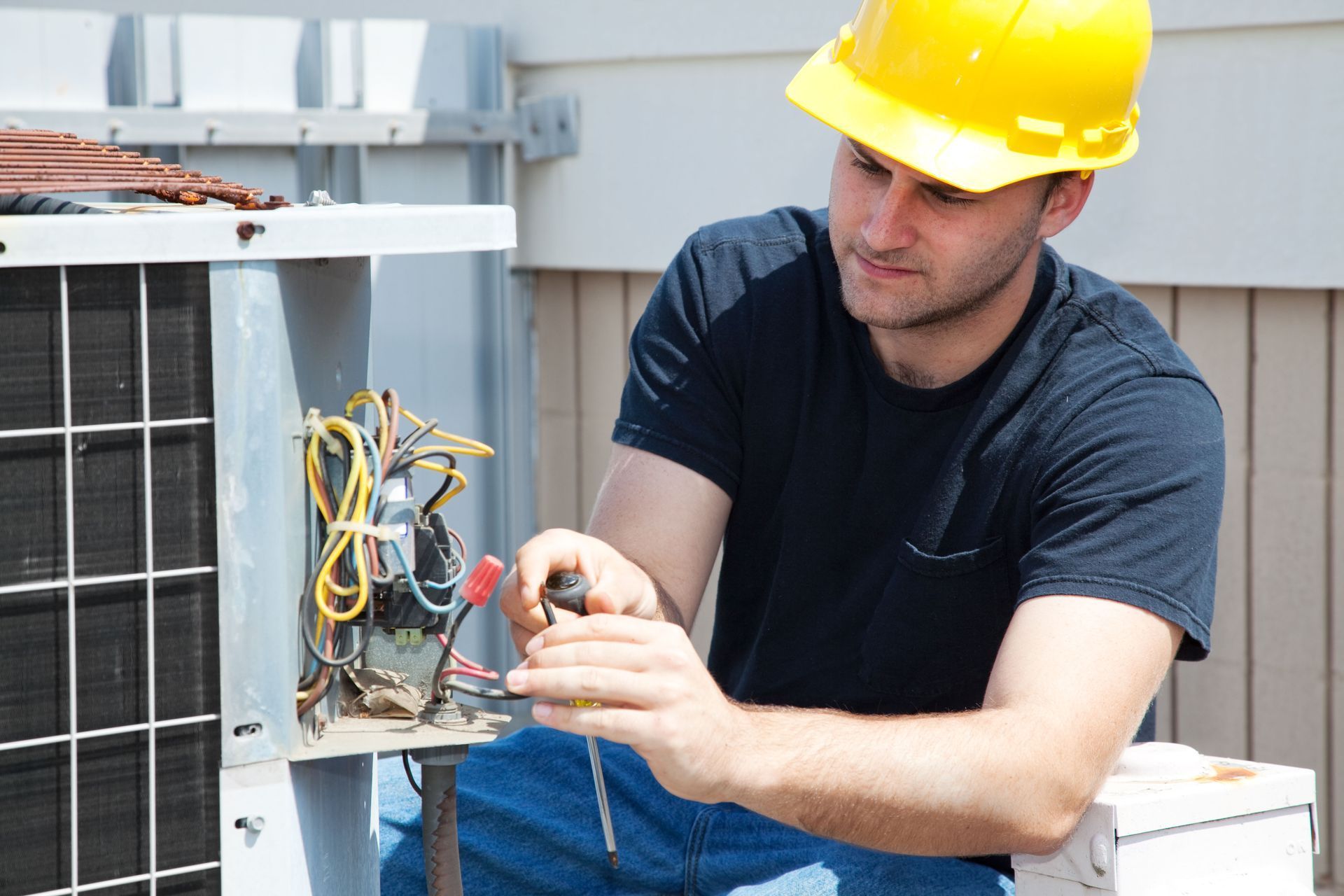
Accurate thermostats prevent unnecessary energy use by maintaining consistent temperatures without overworking the system. Similarly, inspecting electrical connections ensures all components function safely and efficiently. Heating repair services address these areas during routine maintenance, helping systems operate smoothly and reliably.
Upgrading to Energy-Efficient Equipment
Investing in modern, energy-efficient equipment is a key strategy for improving HVAC performance and reducing long-term energy costs. Older systems often struggle to maintain optimal heating and cooling, consuming excessive electricity or fuel in the process. By upgrading to high-efficiency units, homeowners can enjoy more consistent indoor comfort while minimizing environmental impact. Energy-efficient equipment not only lowers utility bills but also reduces wear and tear on system components, decreasing the likelihood of costly repairs.
Advanced technologies such as smart thermostats, variable-speed motors, and efficient heat pumps allow for precise temperature control and adaptive energy use, ensuring that heating and cooling are delivered only where and when they are needed.
High-Efficiency Systems
Replacing older units with high-efficiency HVAC systems reduces energy waste and environmental impact. Units with advanced efficiency ratings consume less fuel while delivering optimal heating or cooling. These upgrades often provide substantial long-term savings despite higher initial costs.
Smart Thermostats
Smart thermostats optimize energy use by adjusting temperatures automatically based on occupancy and daily schedules. Homeowners can save up to 15% on heating and cooling costs annually with these devices, making them a smart complement to any HVAC system.
Efficient Heat Pumps and Variable-Speed Motors
Heat pumps transfer heat instead of generating it, providing up to 300% efficiency. Similarly, variable-speed motors adjust operation based on demand, reducing energy use and wear on system components while maintaining consistent indoor comfort.
Zoning Systems for Targeted Comfort
Zoning systems allow homeowners to control temperatures in individual rooms or areas, preventing energy waste in unoccupied spaces. These systems enhance comfort and reduce energy costs by delivering heating or cooling only where needed.
Enhancing System Insulation
Proper insulation is a critical factor in ensuring that heating and cooling systems operate efficiently and deliver comfort without wasting energy. Without adequate insulation, conditioned air can escape through ducts, walls, or pipes, forcing HVAC systems to work harder to maintain desired temperatures. By improving insulation throughout the home-including ductwork, pipes, attics, and walls-heating repair services can help minimize energy loss and optimize system performance.
Insulation improvements contribute to more consistent indoor temperatures, eliminating cold or hot spots and enhancing overall comfort. When combined with proper sealing of windows, doors, and vents, enhanced insulation creates a comprehensive energy-saving strategy that allows homeowners to get the most out of their heating and cooling systems while supporting environmental sustainability.
Ductwork, Pipe, and Structural Insulation
Well-insulated ducts and pipes retain heat, reducing energy loss by up to 30% in certain applications. Attic and wall insulation maintain consistent indoor temperatures, preventing systems from overworking and lowering energy bills.
Sealants and Weatherproofing
Sealants close gaps in ducts, walls, and vents, preventing air leaks and improving overall efficiency. Similarly, professionally sealing windows and doors reduces drafts and can save up to 15% on energy bills annually. Heating repair services often assess and implement these solutions as part of efficiency optimization.
Implementing Preventative Measures
Proactive strategies are essential for preventing energy waste and costly HVAC breakdowns. Regular maintenance, early detection of potential issues, and seasonal system preparations help keep equipment running efficiently and reliably. Heating repair services play a key role in implementing these measures, ensuring that minor problems are addressed before they escalate.
Scheduled Maintenance Programs
Regular tune-ups keep systems operating at peak performance, prevent minor issues from escalating, and extend equipment lifespan.
Early Detection and Diagnostic Technology
Modern sensors and diagnostic tools identify inefficiencies before they become major problems. Early intervention reduces energy waste and ensures systems run efficiently year-round.
Seasonal Preparations and Energy Audits
Preparing systems for summer and winter demand prevents strain and energy inefficiencies. Energy audits provide comprehensive assessments of system performance, insulation, and operational efficiency, guiding homeowners toward cost-saving improvements.
Customer Education and Engagement
Teaching homeowners energy-efficient practices, such as thermostat adjustments and equipment upkeep, fosters sustainable usage. Workshops, tips, and resource sharing empower customers to actively participate in reducing energy consumption, reinforcing the impact of heating repair services.
Addressing Common HVAC Repair Issues
Promptly repairing HVAC issues is essential for maintaining system efficiency and preventing energy waste. Even minor problems, like low refrigerant or malfunctioning motors, can make systems work harder and increase energy costs. Heating repair services help diagnose and fix these issues quickly, ensuring optimal performance and extending equipment lifespan. Timely repairs also prevent small problems from becoming major, costly failures, keeping your home comfortable and energy-efficient year-round.
Refrigerant and Ignition Issues
Low refrigerant levels hinder heat transfer, increasing energy use. Ignition problems can prevent proper heating, forcing systems to work harder. Heating repair services identify and resolve these issues quickly, restoring system performance.
Motor and Thermostat Repairs
Malfunctioning blower motors and thermostats compromise airflow and temperature regulation, driving up energy consumption. Timely repair or replacement ensures systems function as intended, preserving efficiency and comfort.
Noise, Vibration, and Mechanical Checks
Unusual sounds often indicate mechanical issues that affect efficiency. Professional inspections can detect and address these problems before they escalate, safeguarding energy performance and system longevity.
Heating repair services are essential for improving HVAC efficiency, reducing energy consumption, and prolonging system life. By maintaining equipment, upgrading to energy-efficient systems, enhancing insulation, implementing preventative measures, addressing repairs, and engaging customers, these services deliver substantial energy savings and environmental benefits. Prioritizing HVAC efficiency ensures reliable comfort, lower utility bills, and a sustainable home environment.
Schedule your
heating repair service today with Incredible HVAC LLC to optimize system performance, save on energy costs, and enjoy reliable comfort all year round.