October 16, 2026
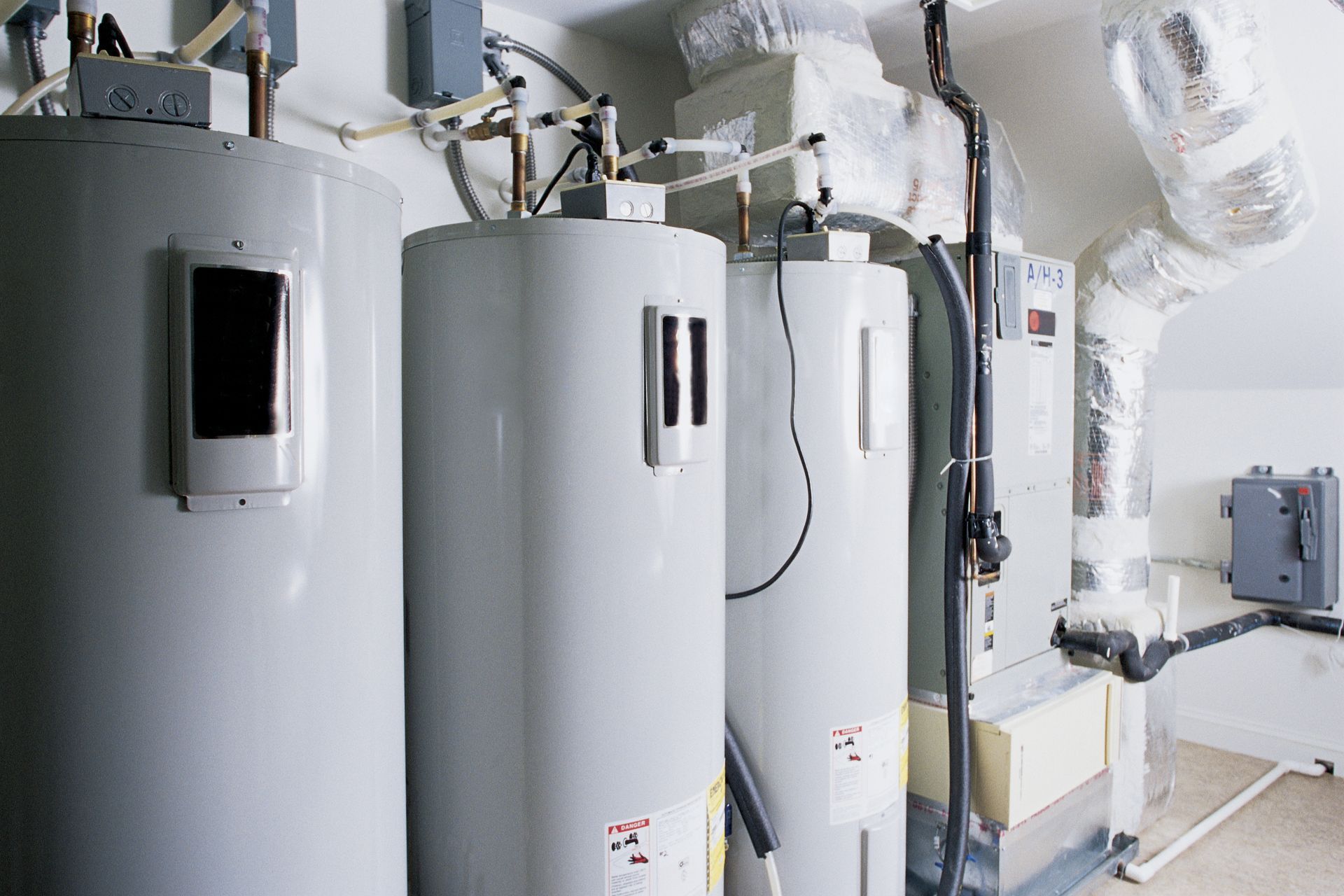
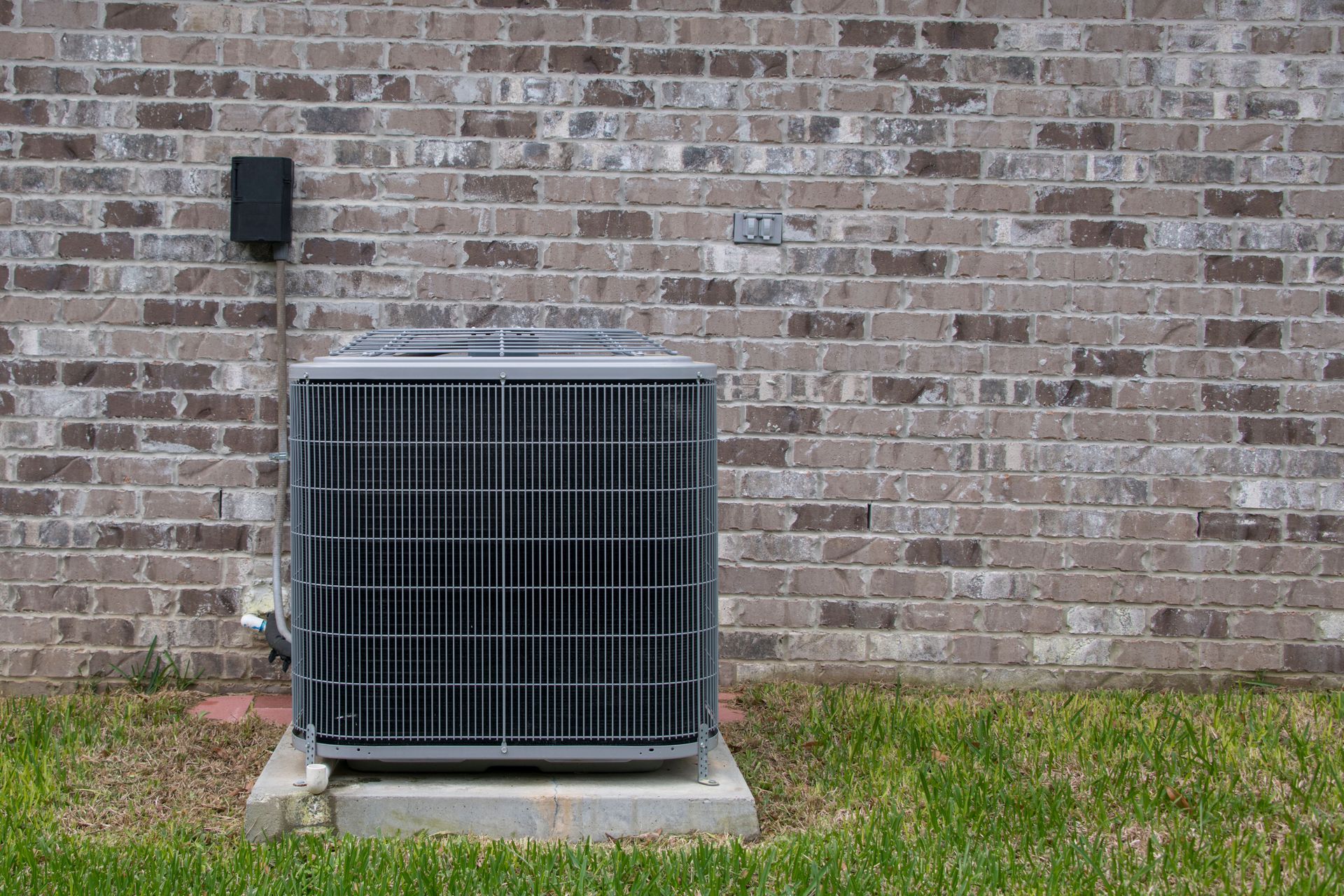
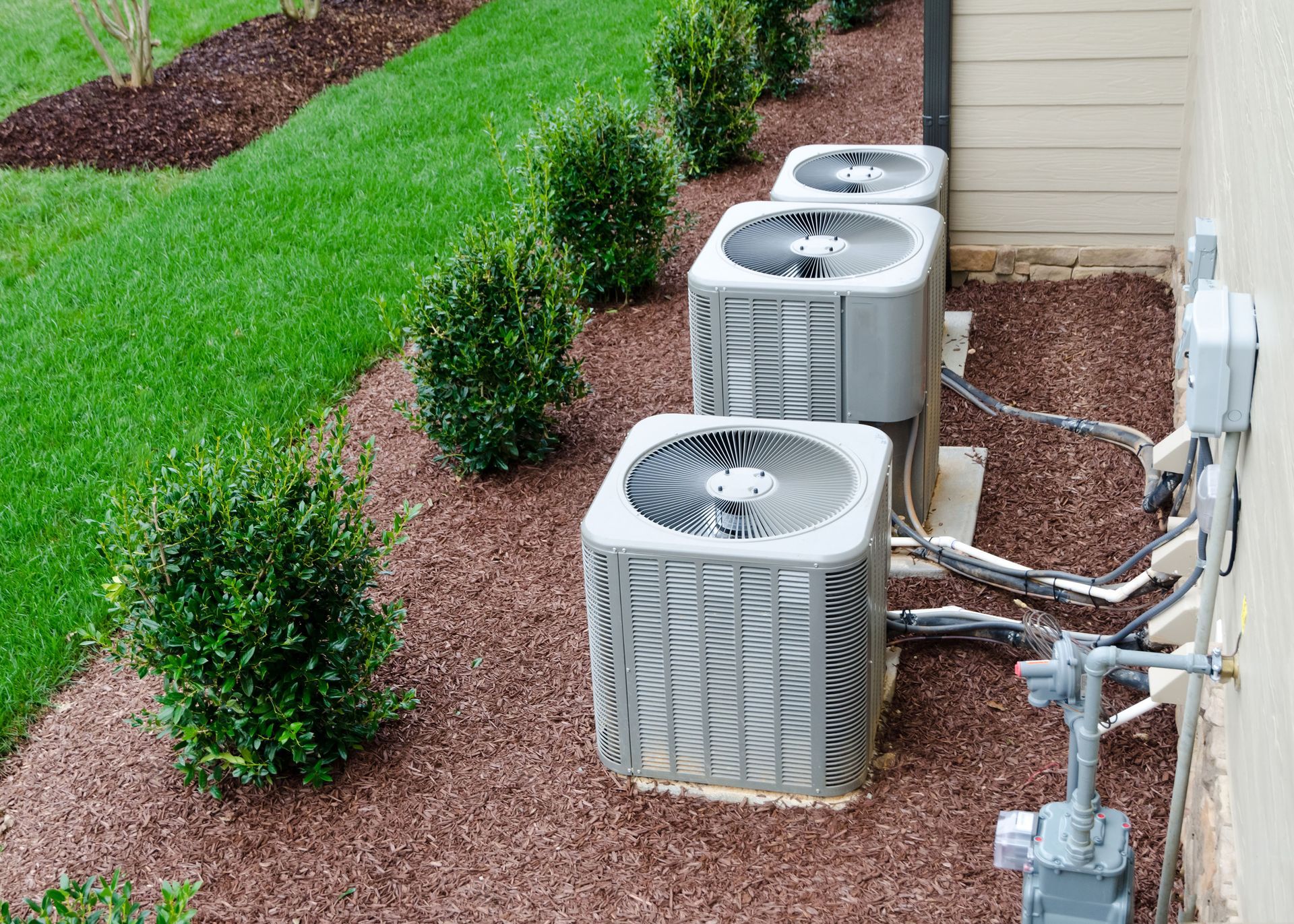
Heating technology has evolved over the years, offering a range of options for homeowners. Popular choices include traditional furnaces, boilers, heat pumps, and radiant floor systems. Working with professional heating contractors helps ensure you select a unit that fits your home's layout without exceeding your energy budget.
One critical factor in selecting a heating system is its energy efficiency, often measured by its Annual Fuel Utilization Efficiency rating. According to This Old House, an efficiency rating of 90% means your furnace or boiler only loses 10% of its fuel through exhaust. Choosing a system with a high rating translates directly to lower energy losses and higher cost-effectiveness over time.
Determining the suitability of a system involves considering the climate and architectural layout of your property. Heat pumps work exceptionally well in moderate climates but may require supplemental support in extremely cold regions. Experienced heating contractors can evaluate your home's insulation, ceiling height, and square footage to recommend the most effective option.
High-efficiency heating systems often require a larger initial investment, but the long-term energy savings justify the upfront cost. Evaluating the expected lifespan and maintenance requirements of each model ensures a sound financial decision. Balancing initial expenses against long-term operational costs keeps your household comfortable and on budget.
Opting for eco-friendly heating solutions reduces your carbon footprint while delivering steady warmth. Systems utilizing renewable energy or high-efficiency fuel burning align with modern environmental standards. Partnering with reputable heating contractors allows you to explore sustainable options that effectively satisfy your heating demands.
Regular Maintenance and Servicing
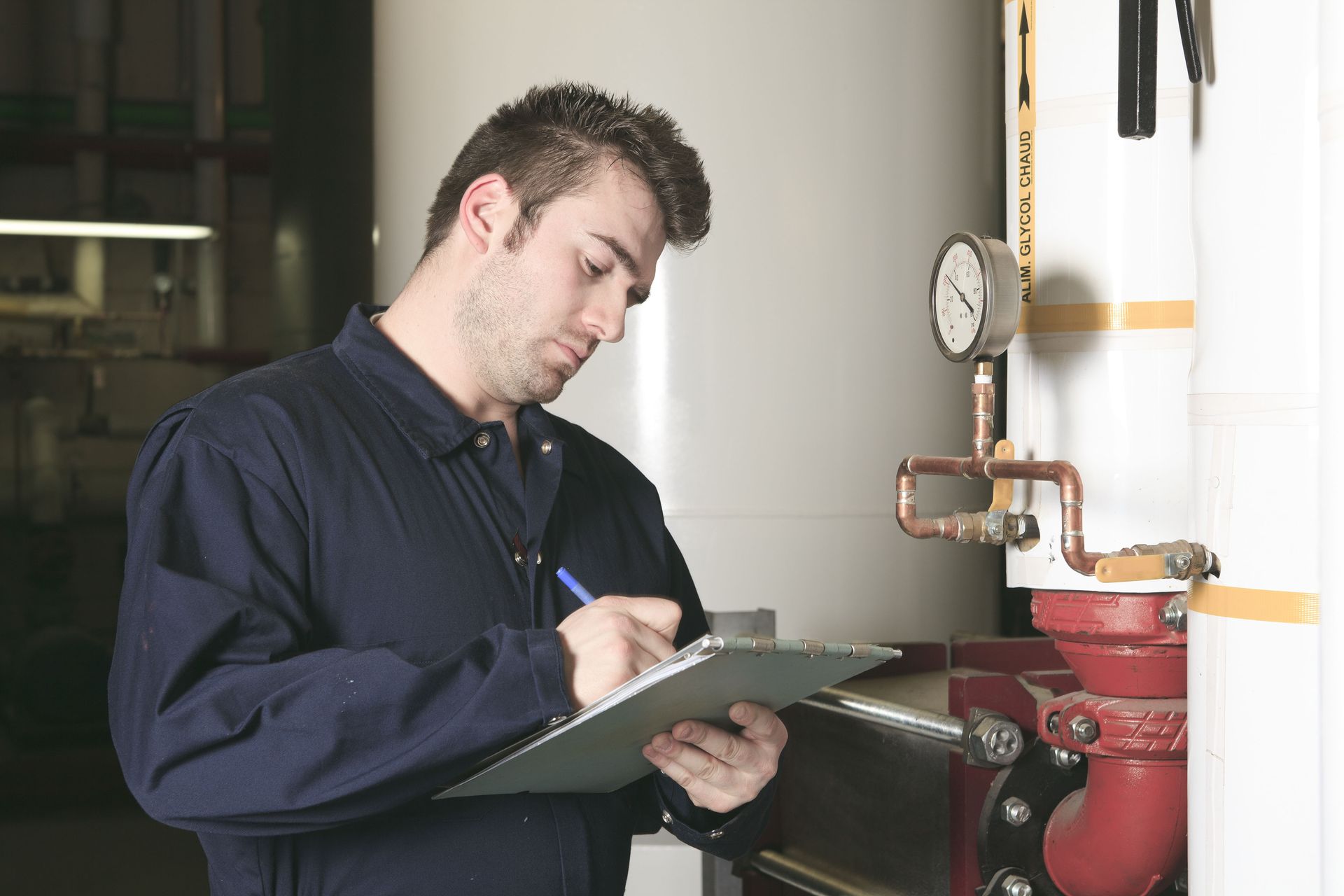
Routine maintenance is necessary to extend a heating system's operational lifespan and performance. Scheduling annual tune-ups helps detect worn components before they lead to unexpected breakdowns or high utility bills. Systematic inspections keep your equipment running smoothly throughout the winter season.
Heating systems require proper calibration before cold weather sets in to handle increased demands. Seasonal checkups allow technicians to clean components, test safety controls, and verify total system output. Proactive care prevents unnecessary wear and tear while maintaining maximum heating efficiency.
Identifying performance issues early saves homeowners significant time and repair costs. Symptoms like uneven heating across rooms, unusual noises, or sudden spikes in utility bills indicate immediate attention is needed. Prompt repairs keep minor component issues from escalating into complete system failures.
Keeping continuous logs of past repairs and component replacements helps track equipment health over time. Detailed service records provide crucial context for technicians during future maintenance visits or home sales. Consistent scheduling ensures your equipment receives the ongoing care needed for optimal heating performance.
Proper Installation Techniques
Proper installation is essential for achieving maximum energy efficiency and system longevity. Qualified heating contractors follow strict manufacturer guidelines and local building codes during setup to prevent future operational issues. Professional installation guarantees that all safety and performance standards are met right from day one.
Adhering to detailed manufacturer guidelines ensures that every component functions as intended. Skirting installation requirements can void equipment warranties and cause premature component failure. Homeowners should always work with certified heating contractors who understand complex factory installation protocols.
Errors during installation, such as poorly sealed ductwork or incorrect sizing, drastically lower heating output. Leaky ducts allow heated air to escape into unconditioned spaces, driving up energy costs. Professional testing after installation catches these flaws early so your system operates at peak capacity.
Proper ventilation is vital for maintaining safe indoor air quality and preventing system overheating. Fuel-burning heating equipment requires precise airflow to vent combustion gases safely outside the home. Correctly installed venting safeguards your household while supporting consistent heating performance.
Integrating smart thermostats and modern control systems allows for precise temperature management. Advanced controls offer automated scheduling, remote adjustments, and diagnostic alerts that optimize fuel consumption. Upgrading your control setup ensures your heating system delivers reliable warmth efficiently.
Smart Thermostats and Energy Management
Smart thermostats offer advanced control options that maximize home comfort while reducing monthly energy bills. Users can easily monitor and adjust indoor temperatures remotely using smartphone applications. These devices learn daily household schedules to automatically adjust settings and eliminate wasted energy.
The market features a wide variety of smart controls offering custom programming, learning algorithms, and integration capabilities. Selected models use location tracking to reduce heating output when the home is empty and restore warmth before you return. Choosing the right interface simplifies daily temperature management for every occupant.
By tailoring heating output to actual occupancy, smart thermostats generate noticeable energy savings. Automated setbacks during sleeping hours or workdays significantly reduce total fuel consumption. These steady reductions in energy use lower utility costs while maintaining overall indoor comfort.
User-friendly interfaces and clear displays allow every household member to adjust settings easily. Modern thermostats provide intuitive touchscreens and accessible mobile apps that simplify schedule adjustments. Simple controls encourage efficient habits that sustain long-term energy savings across every season.
Connecting a smart thermostat to a broader smart home network expands system functionality. Voice commands through home assistants provide convenient hands-free temperature adjustments from anywhere in the house. Integrated home automation coordinates heating with smart shades and sensors for complete climate control.
Insulation and Home Efficiency
Proper insulation is crucial for trapping warmth inside the living space and reducing overall heating demand. Without sufficient insulation in attics and walls, generated heat quickly escapes outdoors, forcing equipment to run continuously. Upgrading thermal barriers keeps indoor spaces consistently warm with less energy use.
A wide array of insulation materials exists to suit different structural designs and climate conditions. Options like fiberglass batts, blown cellulose, and spray foam offer varying levels of thermal resistance. Selecting the proper insulation material prevents heat loss and improves overall system efficiency.
Drafts around exterior doors, windows, and floor joints allow cold air to enter and warm air to leak out. Sealing these gaps with weatherstripping and caulk stabilizes indoor temperatures and eliminates uncomfortable cold spots. Preventing air leaks reduces the workload on your heating system throughout the winter.
Upgrading older windows and doors significantly improves a building's thermal envelope. Modern multi-pane windows feature low-emissivity coatings and gas fills that block heat transfer. Installing energy-efficient entry points prevents heat loss and maintains consistent comfort in every room.
By minimizing heat loss, thorough insulation directly reduces the heating load required to warm your home. A lower heating load means your equipment runs less frequently, minimizing operational wear and tear over time. Combining strong insulation with guidance from skilled heating contractors ensures long-term energy efficiency and lower utility bills.
Lifestyle and Usage Adjustments
Understanding your household's specific heating patterns allows you to optimize energy usage without sacrificing comfort. Assessing which rooms require active heating throughout the day helps eliminate unnecessary energy consumption in unused spaces. Tailoring your heating strategy around actual daily routines keeps fuel costs manageable.
Space heaters can provide localized warmth in specific rooms without heating the entire house. Using portable units thoughtfully allows you to lower central thermostat settings while staying comfortable in occupied areas. However, space heaters should supplement, rather than replace, an efficient primary heating source.
Adapting your heating habits to changing seasonal temperatures helps maintain steady efficiency year-round. Opening curtains on sunny winter days lets natural sunlight warm interior spaces without using fuel. Closing window coverings at night adds an extra layer of insulation against cold evening air.
Educating everyone in the home about simple energy-saving habits yields noticeable improvements in heating efficiency. Encouraging household members to close exterior doors promptly and adjust clothing layers reduces reliance on continuous heating. Simple daily actions collectively lower energy demands and extend equipment life.
Balancing personal comfort with operational costs involves setting practical target temperatures throughout the day. Lowering the thermostat by a few degrees when sleeping or away from home produces significant savings on monthly bills. Small adjustments maintain a cozy indoor environment while keeping heating expenses under control.
For professional heating system installation, maintenance, and expert service, contact the experienced heating contractors at Incredible HVAC LLC today.