June 2, 2026
As the winter months approach, maintaining your heating system becomes increasingly critical. Ensuring optimal performance not only brings comfort to your home but also plays a part in reducing energy bills. Regular heating maintenance helps in extending the life of the heating equipment, making your investment worthwhile. This article shares expert strategies and insightful tips for maintaining your heating system with utmost efficiency during the cold season.
1. Knowing Common Heating System Issues
Common issues facing heating systems include uneven heating, malfunctioning thermostats, pilot light or ignition control problems, and frequent system cycling. Uneven heating often results from issues with heat distribution components, such as ductwork leaks or inadequate insulation. Thermostat malfunctions might result in incorrect readings or failure to maintain set temperatures, leading to discomfort or excess energy consumption. In systems using gas, issues with the pilot light or ignition can prevent the generation of heat entirely.
Another prevalent issue is frequent cycling, where the system keeps turning on and off. This could be due to a clogged air filter, thermostat issues, or an oversized system. According to This Old House, regularly changing air filters, approximately every three months, can prevent this. Keeping air pathways clear and ensuring compatibility with the overall system ensures efficient operations. Addressing these concerns can maintain consistent heating, efficiency, and extend equipment lifespan.
2. Initiating Regular Heating Maintenance
Regular heating maintenance of heating systems is crucial for efficient performance, cost savings, and safety. A well-maintained system operates more efficiently, consuming less energy to achieve the desired warmth, which directly translates into reduced utility bills. Ensuring the system's components, like filters and ducts, are clean and free of blockages prevents unnecessary strain and extends the life of the equipment.
Beyond cost savings, safety is a significant concern that regular heating maintenance addresses. Systems that burn fuel can pose risks, including carbon monoxide leakage, which can be dangerous. Regular checks of components like the heat exchanger and venting systems can detect and rectify potential hazards. Heating maintenance should also involve testing safety controls, ensuring that all preventive mechanisms are operational to provide peace of mind during the colder months.
3. Identifying When to Call a Professional
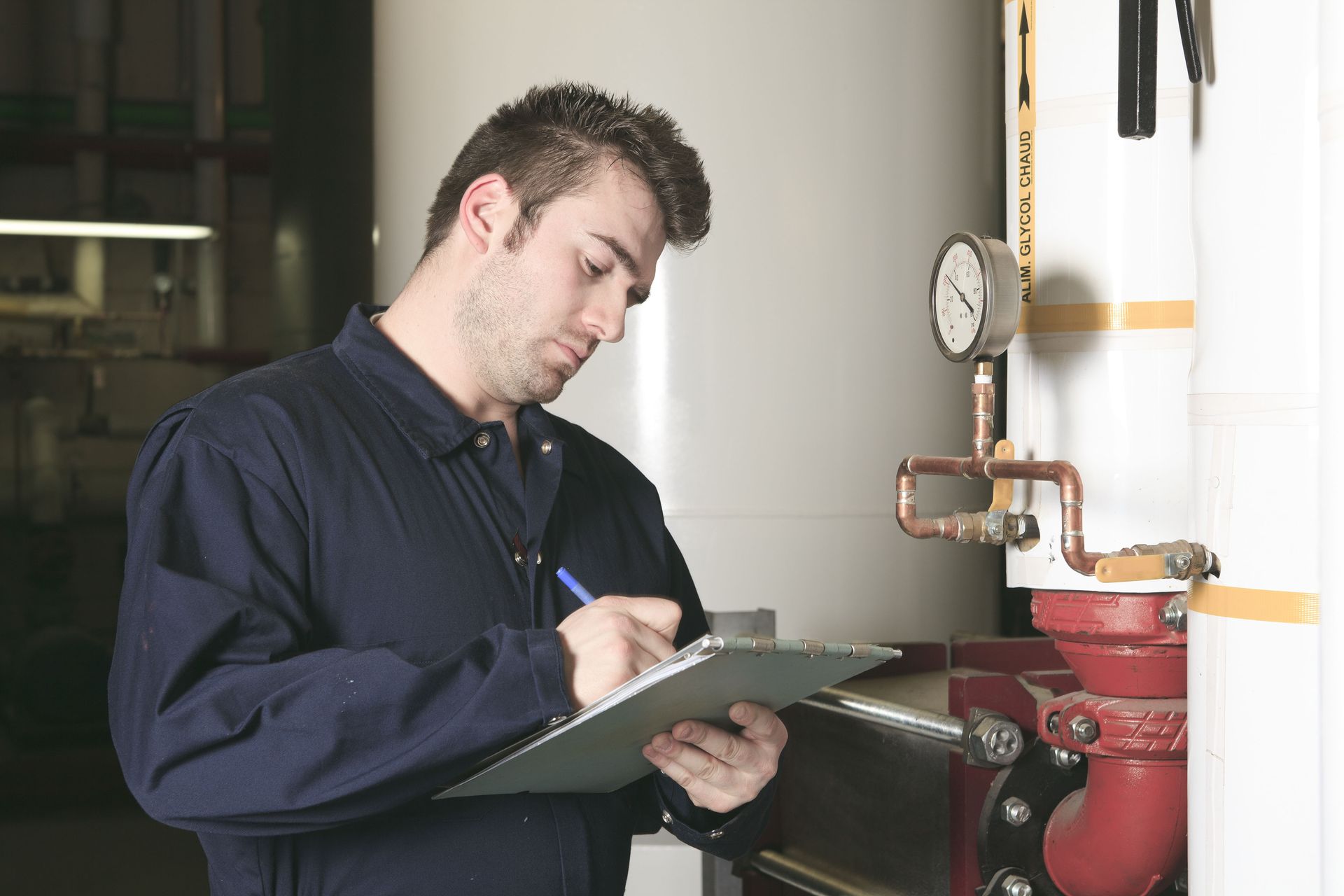
Knowing when to call a professional for heating system issues can prevent minor problems from becoming severe. While numerous heating maintenance tasks can be handled by homeowners, some issues require expert intervention. Examples include complex electrical issues, persistent pilot light problems, or repeated system shutdowns. Professional HVAC technicians have the expertise and tools to accurately diagnose and address these issues effectively. Prompt professional assistance reduces downtime and shields against further damage.
Homeowners should also consult professionals when planning significant changes or upgrades to their heating system. Whether it's switching to a more energy-efficient model or installing advanced thermostats, expert advice can guide optimal decisions. HVAC professionals can evaluate the home’s specific needs and recommend efficient solutions tailored to its design and energy requirements. Consulting with professionals ensures that the investments made lead to long-term benefits and improved home comfort.
4. Checking Thermostat Functionality
A critical component of the pre-winter inspection is ensuring that the thermostat is functioning correctly. The thermostat is the command center of your heating system, regulating temperatures and schedules. Begin by checking its calibration, which ensures that the temperature settings reflect actual indoor comfort levels. Replacing outdated thermostats with programmable or smart versions can enhance energy efficiency and provide greater control over heating schedules. Exploring these options before winter ensures consistent comfort throughout the season.
Additionally, it’s essential to test the thermostat's responsiveness and interface. Increase or decrease the temperature settings to see if the system reacts as intended, noting any delays or issues with maintaining the desired temperature. If calibration or responsiveness is off, it might be time to replace the unit with a more reliable model. A digital or smart thermostat will offer valuable energy consumption insights and remote management capabilities, beneficial for modern households. Such timely upgrades prepare your home for seamless warmth when needed.
5. Inspecting Air Filters
Air filters act as an integral part of the heating system, trapping dust and debris to allow clean air circulation. Inspecting the filters before winter is crucial to prevent airflow restrictions that can compromise system efficiency. Dirty filters cause the system to work harder, increasing energy consumption and leading to potential damage. This Old House recommends changing air filters roughly every three months, a practice that prevents clogs and prolongs system life. Neglecting filter maintenance can also decrease indoor air quality, exacerbating asthma and allergy issues.
During inspection, assess the condition of the filters, noting any visible dirt or damage. If filters appear heavily soiled or worn, immediate replacement is wise. Homeowners should consider the purchase of high-efficiency particulate air (HEPA) filters, which offer superior filtration capabilities. Routine filter changes enhance system airflow and maintain healthy indoor environments, a priority during colder months when windows are often closed. Consistent care ensures optimal air quality and effective heating for the family.
6. Evaluating Pilot Light and Burners
Ensuring that your furnace's pilot light and burners are functioning properly is essential before the heating season begins. For gas-fired systems, a correctly functioning pilot light is crucial for igniting the burners that heat your home. A yellow or flickering pilot light indicates a problem, suggesting potential issues with the thermocouple or gas pressure that necessitate professional examination. Verifying the color and stability of the pilot light should be routine, ensuring it burns blue and steady.
Burner inspection involves ensuring they are clean and free of any debris that could disrupt combustion. Dust and grime can accumulate on burners over time, reducing their effectiveness and posing a fire hazard. Clean burners distribute heat evenly and allow optimal fuel consumption, maintaining the system’s efficiency. Any signs of irregular flame patterns or incomplete combustion should prompt immediate investigation and potentially professional servicing. Pristine burners ensure that heat generation within the system is both safe and economical.
7. Assessing Ductwork for Leaks
Leaky ducts can significantly impact heating efficiency, leading to lost warm air and uneven distribution throughout a house. Before winter, carefully examine exposed ductwork, looking for noticeable gaps, seams, or areas of disrepair where leaks could be prevalent. Leaks mean that a portion of the air you are heating is wasted, causing your system to work harder and raising energy bills. Often, simple repairs such as sealing with mastic or metal tape can mitigate these issues. Addressing duct leaks ensures that conditioned air reaches its intended destinations efficiently.
Professional energy audits or inspections can also identify less obvious ductwork issues. These services offer comprehensive assessments, employing tools like blower doors or infrared cameras to pinpoint leaks concealed behind walls or under floors. Energy specialists provide reliable solutions, initiating repairs or improvements that enhance both efficiency and comfort. Investing in expert evaluations results in a well-sealed system that maintains warmth where it’s needed most during colder months.
8. Inspecting Chimneys and Vents
Vents and chimneys play a critical role in the safe operation of heating systems, facilitating efficient exhaust of combustion gases. Before winter, it’s paramount to inspect them for blockages, damage, or buildup of creosote, which can be a severe fire hazard. Clogs might result from leaves, nests, or debris affecting ventilation effectiveness. One should check for signs of corrosion, rust, or cracks, especially in older systems. Proper inspection ensures that all combustion by-products are exhausted correctly, safeguarding against indoor air pollution and carbon monoxide risks.
Professional chimney sweeps or HVAC specialists often perform thorough inspections and cleaning services, offering peace of mind. During professional cleaning, any buildup of soot or debris is removed, preserving exhaust efficiency. Technicians might also identify structural or functional issues that could compromise safety. Periodic professional chimney and vent maintenance protects heating systems’ operability and occupants’ health. Investing in these inspections delivers reassurance and superior indoor air quality during the winter months.
Preparing your heating system for winter is not just a matter of comfort, but also of safety, efficiency, and long-term cost savings. By addressing common issues early, performing routine heating maintenance, and paying attention to key components such as thermostats, air filters, burners, ductwork, and ventilation systems, homeowners can significantly reduce the risk of unexpected breakdowns during the coldest months of the year. To schedule professional maintenance on your heating system, reach out to the pros at Incredible HVAC LLC today.