May 12, 2026
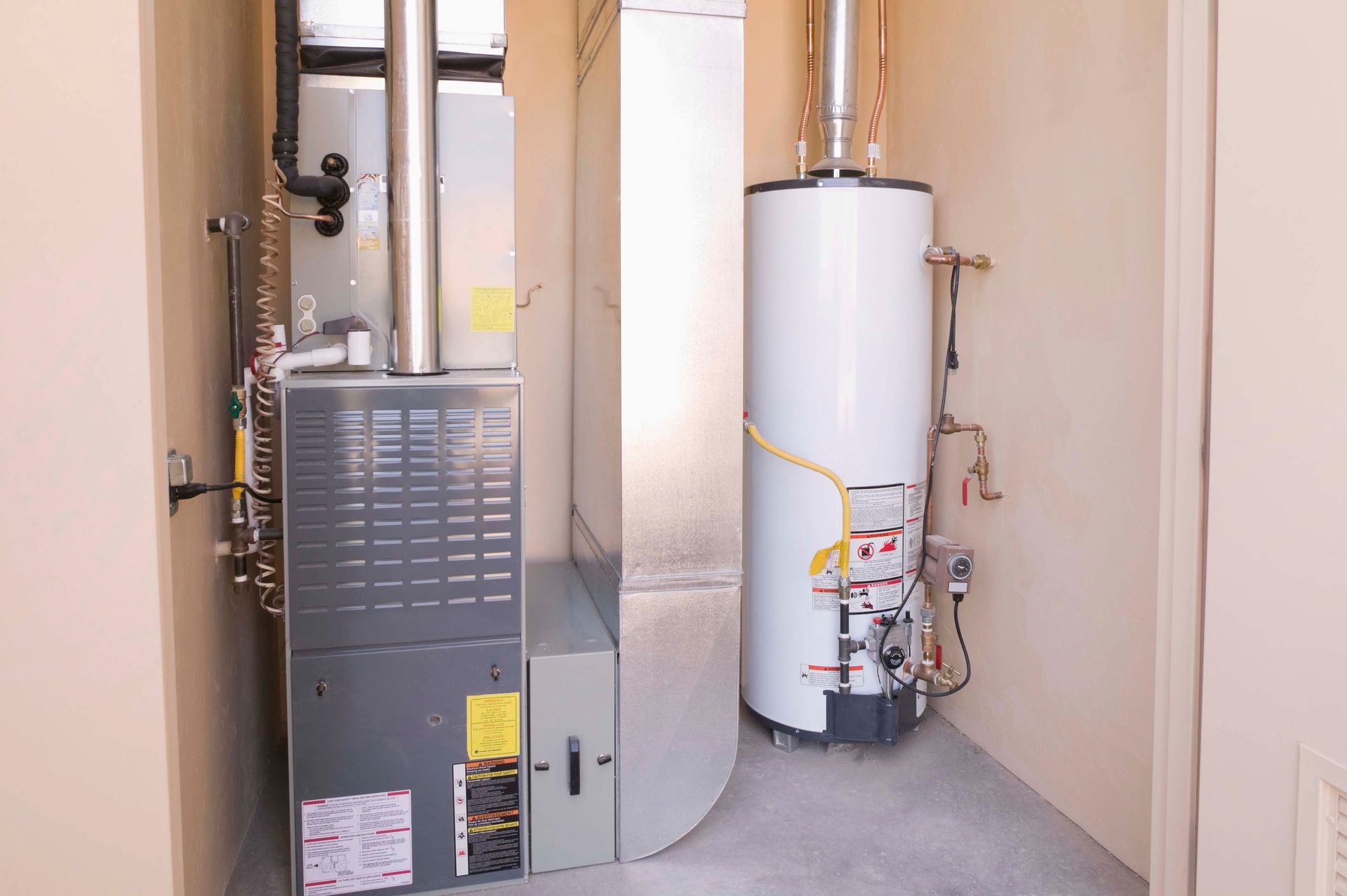
When the winter season approaches and the chill begins to seep through the walls, homeowners rely heavily on their climate control systems to maintain a warm and inviting living environment. The secret to a system that operates flawlessly season after season does not merely lie in selecting a premium brand or the most advanced technology available on the market. Instead, the foundation of lasting comfort and enduring equipment health is established on the initial day the equipment is set up in your residence. A meticulously executed heating install sets the stage for years of dependable performance, while a rushed or improper job can doom even the highest quality machinery to an early demise. Homeowners often overlook the intricate details involved in fitting a complex mechanical system into an existing residential framework. It requires profound technical knowledge, precise measurements, and an unwavering commitment to manufacturer specifications. By prioritizing expert craftsmanship during the initial setup phase, you protect your investment from premature degradation.
Securing the Right Equipment Size
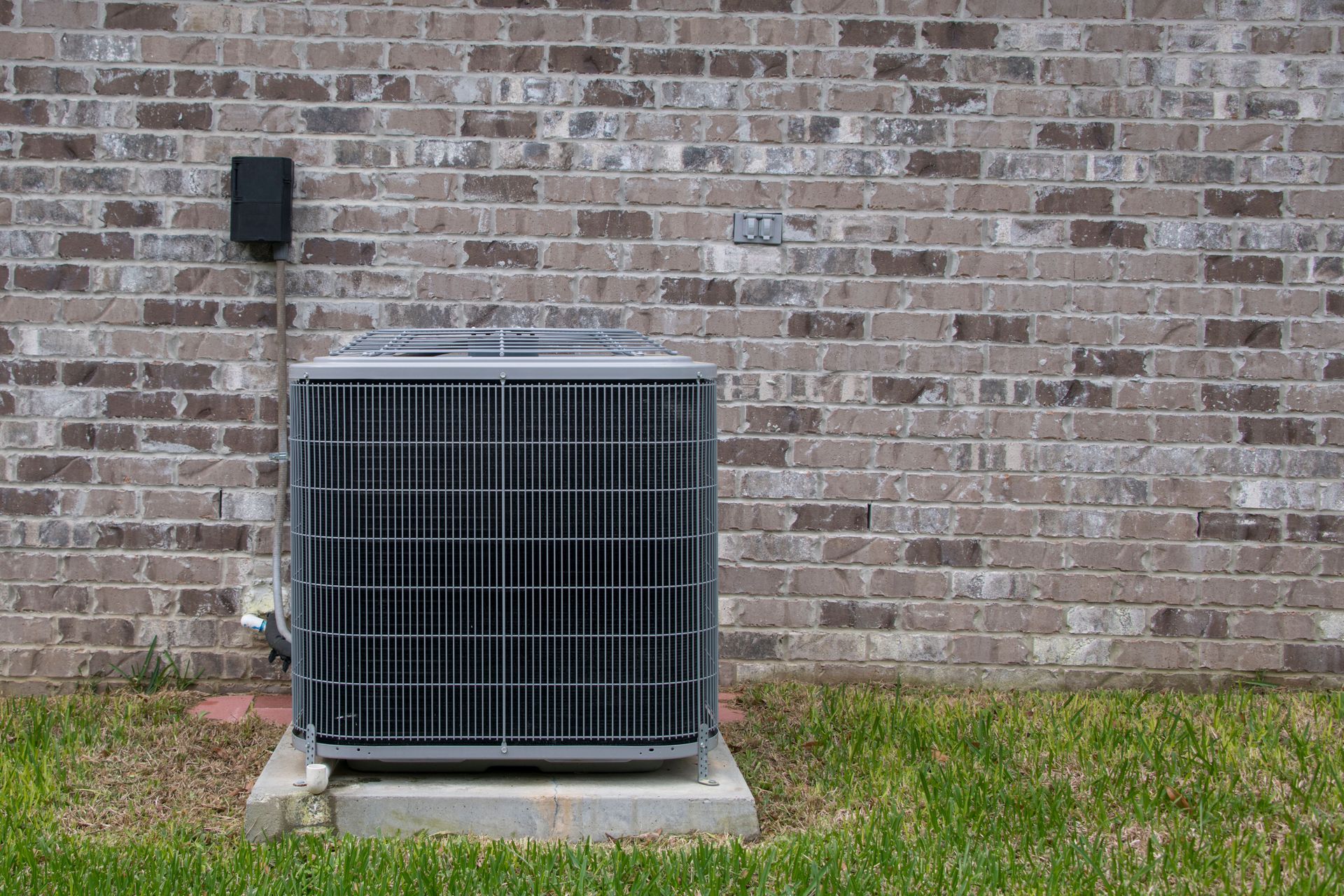
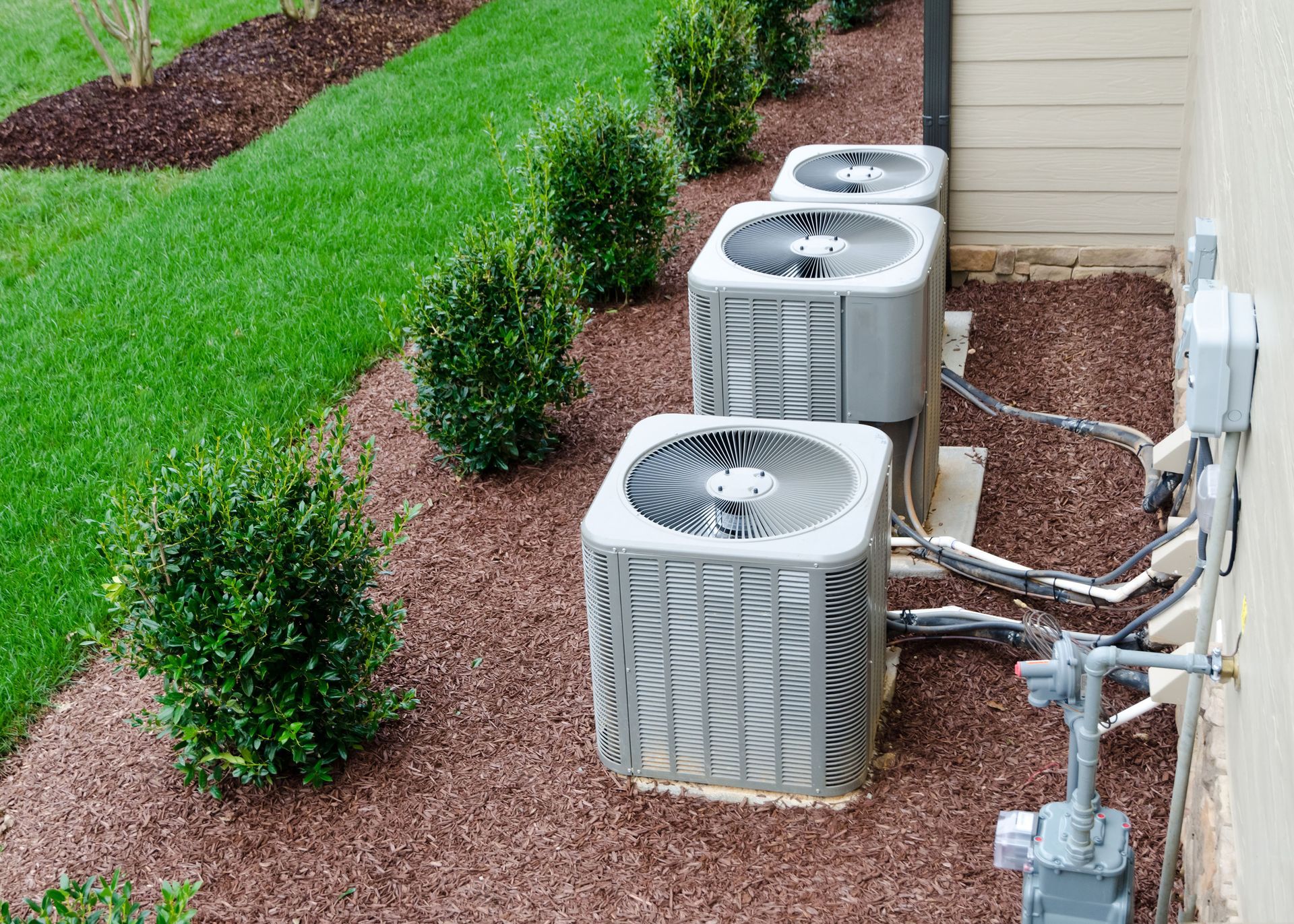
The most critical step in configuring a new climate control system involves accurately determining the appropriate capacity required to condition the specific layout of a residence. A system that is excessively large will rapidly cycle on and off, while a unit that is undersized will struggle endlessly to reach the desired thermostat setting. Both scenarios place immense strain on the mechanical components, leading to rapid deterioration and a significantly shortened operational lifespan. This principle applies universally across all types of HVAC equipment, illustrating the vital nature of precise measurements. According to the Department of Energy, when professionals are accurately sizing an air conditioning unit for a new installation or a system replacement, they generally determine a requirement of 20 British Thermal Units (BTUs) of cooling capacity for every one square foot of living space. While this specific guideline relates to cooling, the very same rigorous mathematical approach must be applied during a heating install to ensure the system is perfectly matched to the architectural demands of the property. Ignoring these crucial load calculations inevitably results in an unbalanced system that works much harder than necessary, accelerating the wear and tear on motors, blowers, and heat exchangers.
Ensuring Proper Airflow Dynamics
Beyond the sheer capacity of the main unit, the longevity of your equipment heavily depends on the smooth and unobstructed movement of air throughout the entire residential structure. A masterfully executed heating install always includes a comprehensive evaluation of the existing ductwork network to confirm it can handle the output of the new machinery. If the air passages are too narrow, poorly sealed, or improperly routed, the blower motor will face excessive static pressure. This resistance forces the motor to exert maximum effort continuously, which dramatically increases the likelihood of a premature mechanical breakdown. Properly designed and sealed ventilation systems allow the conditioned air to flow freely, eliminating cold spots and reducing the overall workload placed on the primary generating unit. When technicians take the time to balance the airflow dynamically, they ensure that every room receives adequate conditioning without overworking the central system. This meticulous attention to the distribution network prevents the heat exchanger from overheating and protects the sensitive electronic sensors from stress-induced failures.
Preventing Unnecessary System Wear
Every mechanical device possesses a finite operational lifespan, dictated by the total amount of runtime it can endure before internal friction and fatigue cause a critical failure. An improper setup often leads to a phenomenon known as short cycling, where the equipment powers on, runs for a brief period, and then shuts down abruptly before completing a full conditioning cycle. This erratic behavior is exceptionally damaging to compressors, igniters, and fan motors, as the startup phase is traditionally the most stressful part of any mechanical operation. A flawless heating install mitigates these risks by ensuring that all thermostats, sensors, and control boards are calibrated with absolute precision. When the system operates in steady cycles, the components experience far less start-and-stop stress, allowing them to function smoothly and degrade at a much slower, natural pace. Furthermore, correct calibration ensures that the safety limits are never breached, preventing emergency shutoffs that can cause sudden mechanical shocks to the system.
Optimizing Long-Term Reliability
Homeowners expect their climate control systems to provide steadfast comfort through the harshest weather conditions without faltering or demanding constant repairs. Achieving this level of unwavering reliability requires an unyielding dedication to best practices during the initial equipment setup. A comprehensive heating install involves far more than simply connecting wires and attaching ducts; it requires a holistic approach that integrates the new machinery seamlessly into the unique environment of the home. Technicians must carefully consider factors such as insulation levels, window placement, and the overall thermal envelope of the structure to ensure the equipment operates optimally. When every component is aligned, calibrated, and secured according to rigorous industry standards, the entire system functions as a cohesive unit. This harmonious operation drastically reduces the probability of cascading failures, where a minor issue in an improperly installed part triggers a chain reaction that destroys major components. By establishing a solid foundation of expert workmanship, professionals create a resilient climate control system capable of enduring grueling winter seasons with minimal degradation, thereby securing the long-term reliability that homeowners desperately seek.
Maintaining Healthy Indoor Environments
The implications of a poorly configured climate control system extend far beyond mechanical breakdowns, significantly impacting the overall quality of the air circulating within the residence. An inadequate setup can lead to poor ventilation, inadequate filtration, and problematic moisture imbalances, all of which contribute to a degraded indoor environment. When ductwork is improperly sealed or equipment is misaligned, contaminants and unfiltered air can be drawn into the system and distributed throughout the living spaces. A professional heating install addresses these concerns by ensuring that all connections are airtight and that the filtration mechanisms are perfectly integrated into the return air pathways. This careful attention to detail prevents dust, debris, and allergens from bypassing the filters and accumulating on the sensitive internal components of the machinery. When coils and blowers remain pristine, they operate with maximum efficiency and suffer far less friction-related wear. Furthermore, proper system configuration helps maintain optimal indoor humidity levels, preventing excessive dryness that can strain the equipment and cause discomfort. By prioritizing indoor air quality during the initial setup, technicians simultaneously protect the health of the occupants and the mechanical integrity of the system itself.
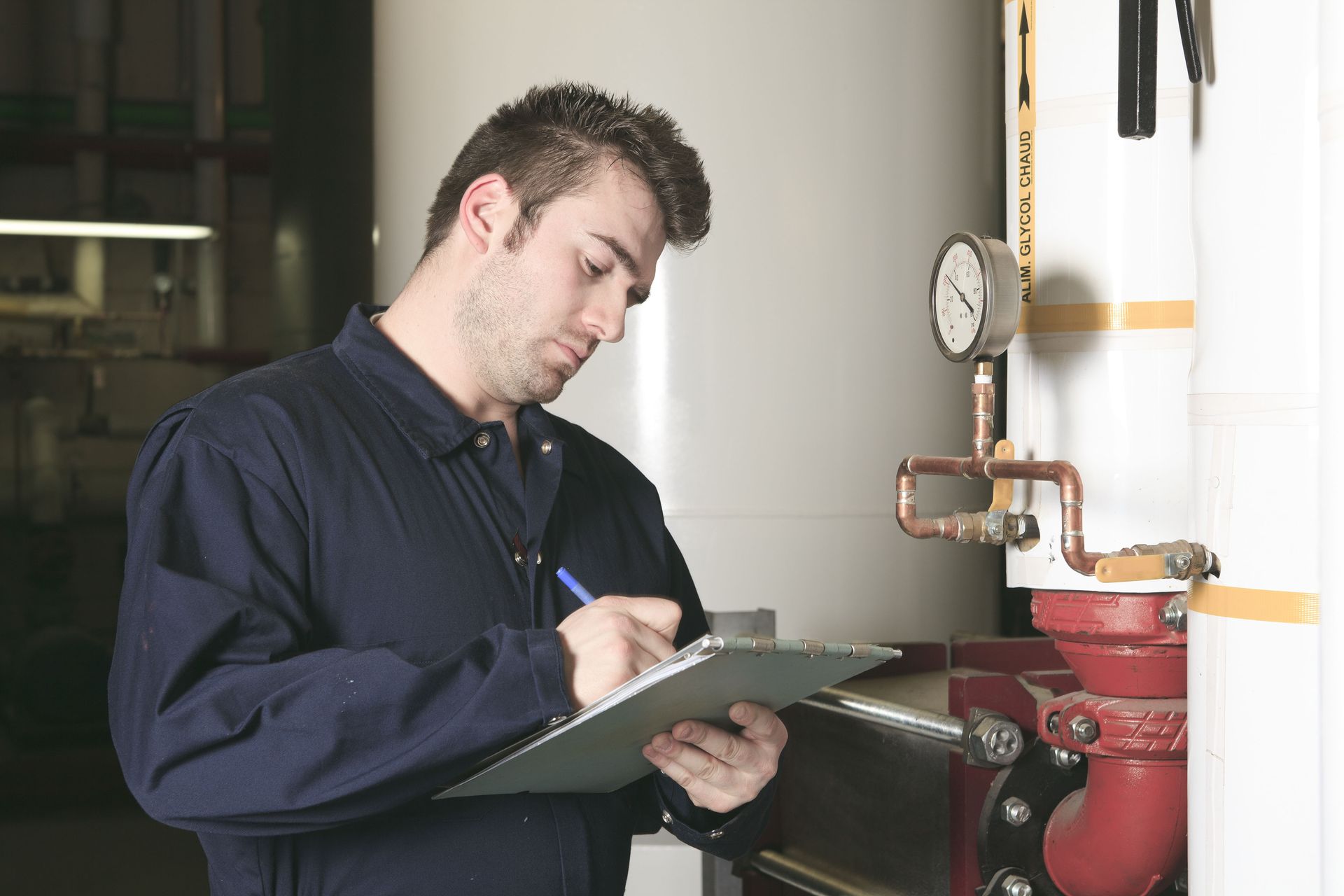
Securing enduring warmth and comfort for your household requires far more than merely purchasing top-tier machinery; it demands an unwavering commitment to expert craftsmanship during the initial stages of setup. The meticulous attention to detail provided by seasoned professionals ensures that every wire, duct, and mechanical component is perfectly aligned to work in harmony. This harmonious operation eliminates the unnecessary friction, extreme stress, and erratic cycling that typically drive equipment to an early grave. By prioritizing proper sizing, flawless airflow, and rigorous calibration during your heating install, you actively protect the intricate mechanical heart of your home from premature degradation. Ultimately, the peace of mind that comes from a dependable climate control system is rooted in the quality of the workmanship performed during the initial configuration. If you are ready to prepare your home for the cold weather and secure lasting equipment health, contact us at Incredible HVAC LLC today. We will help you establish a perfectly balanced system designed to endure for seasons to come.